How Managers Prevent Vacation Rental Maintenance Problems
 allurahomesNovember 14, 202611 min read
A repair is only one part of keeping a vacation rental ready. Maintenance is planned care intended to prevent problems, while repairs address damage or equipment that has stopped working. Understanding how vacation rental managers handle maintenance means looking at how they connect guest reports and property inspections with preventive care, repair coordination, and owner decisions.
A manager’s role can extend beyond arranging a fix after a problem disrupts a stay. A considered process accounts for the home’s systems, bookings, vacant periods, and the urgency of each issue. This article explains how managers identify and prevent problems, check homes between stays, coordinate vendors, document work, and communicate repair costs. It also clarifies which tasks may be routine, which need prompt attention, and where owner approval comes in, so you can assess what maintenance management should cover.
Key Takeaways
- Guest reports, inspection findings, and the home’s systems help managers prioritize maintenance according to urgency and property needs.
- Preventive schedules should account for occupancy, vacant periods, and specialized features such as pools or radiant heat.
- Management agreements clarify which routine costs can be approved directly and which repairs require the owner’s decision.
- Professional coordination can bring together inspections, vendor scheduling, work documentation, and owner updates across a rental property.
1. Connecting maintenance work with guest and property context
Maintenance priorities depend on the home’s condition and its booking schedule. An active vacation rental may have 15 to 25 guest turnovers per month, each creating an opportunity to spot wear. Managers connect routine checks with guest reports, looking for loose handrails, malfunctioning appliances, smoke detector problems, and wear in high-traffic areas. A recurring appliance issue, for example, may call for more than a quick reset.
During a stay, a guest’s message can become a work order that records the affected area, reported symptoms, and impact on the stay. A leak, loss of heat, electrical concern, or broken exterior door needs urgent attention. Managers coordinate property access, vendor dispatch, and owner communication through an emergency process, including outside office hours. This helps keep the response focused on guest safety and the home’s condition.
For in-stay reports, managers should acknowledge the issue within 30 minutes and share a resolution plan within about two hours. These are communication milestones, not a promise that every repair will be completed within that period. The plan can explain the next step, such as arranging access or scheduling a technician, so guests know what action is underway.
To make each report trackable, managers record the issue, assign the appropriate response, and follow its status through completion. A routine concern, such as an appliance setting, can follow a different process from an active leak. After the work, the manager documents the outcome and follows up with the guest to confirm whether the problem is resolved.
Inspections add context before arrival and after checkout. A post-stay inspection completed within 24 hours of checkout can identify damage, missed maintenance, or equipment problems while the stay is still fresh in the record. Comparing the finding with guest messages helps managers distinguish a new fault from an ongoing maintenance pattern and prepare the property for its next reservation.
2. Preventive maintenance and vacant-home checks
Preventive maintenance addresses wear before equipment fails; repairs respond after a fault appears. For vacant homes, scheduled checks can catch changes between bookings instead of relying only on guest reports. A tailored checklist may cover HVAC, appliances, safety equipment, plumbing, and outdoor areas, with added attention to features such as pools, hot tubs, radiant heat, or private wells.
During an inspection, the manager records each task as complete, incomplete, or needing follow-up. Dated photos can show a room’s condition, a damaged appliance, or a completed repair. This gives the owner a clear record and helps distinguish existing wear from newly reported damage. Appliance checks may include reviewing refrigerator operation, cleaning refrigerator coils, and checking dryer exhaust vents for blockages. Managers can also confirm that electronics and smart-home systems work as intended.
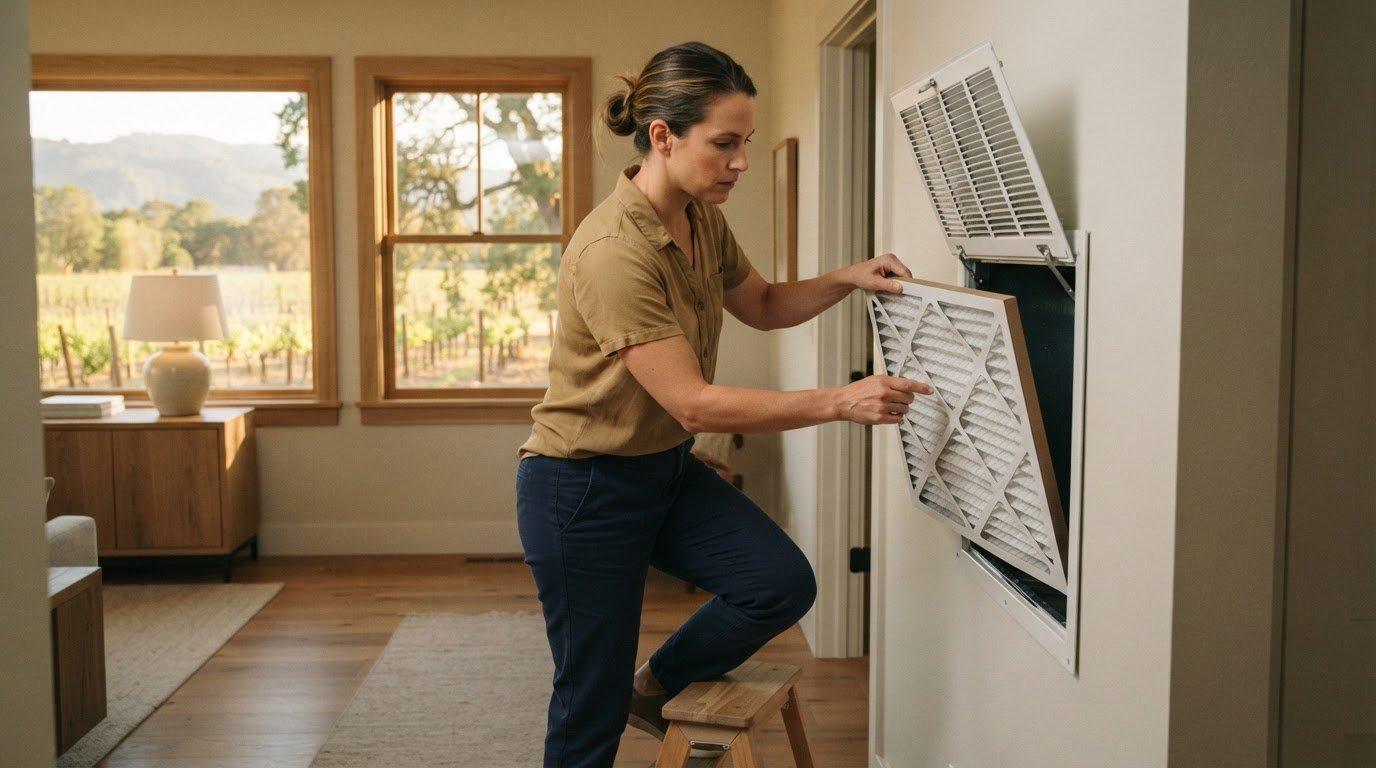
HVAC upkeep includes replacing filters and checking that heating, air conditioning, and ventilation work properly. Filter timing can vary with occupancy and the property’s needs. Seasonal maintenance can also be scheduled quarterly, with outdoor areas included. Smoke and carbon monoxide detector batteries should be replaced at least once a year or according to the manufacturer’s instructions.
Local laws, safety codes, and inspection rules vary with the property’s location and applicable requirements. Managers can include relevant checks in the property’s maintenance calendar, track completed work, and retain related records instead of assuming one checklist suits every home.
For invoices and damage records, managers can attach dated photos, inspection notes, work-order details, and vendor invoices to the relevant task. A checklist might note a broken dryer vent cover, the action taken, and whether follow-up is still needed. This creates a useful upkeep history for owner updates and future inspections.
For seasonal homes, managers can add location-specific tasks, such as preparing mountain properties for freezing conditions or coastal exteriors for weather exposure. The home’s systems, occupancy, and seasonal risks determine which checks belong on its schedule.

3. Do property management companies pay for repairs?
A manager typically coordinates repairs rather than personally performing every job or automatically covering its cost. The management agreement explains how spending is approved, who pays vendors, and how charges appear in owner statements. Some agreements set a preapproved spending threshold, so managers can address smaller issues without seeking permission each time. Larger repairs and capital projects generally require owner approval.
Urgency can affect the approval process. A water leak, loss of heat, electrical concern, or broken exterior door may require prompt action to protect guests and the home. Managers communicate the issue, arrange vendor access, and update the owner about the work and cost. For planned work, they can provide the details the owner needs to decide before repairs are scheduled.
Local vendors make it practical to coordinate work across multiple properties. Managers can schedule the appropriate technician, share access instructions, monitor progress, and document completed work. A plumber addressing a leak needs different access and follow-up from an appliance technician inspecting a refrigerator. Tying work orders to each property helps prevent an open repair from being mistaken for a completed task.
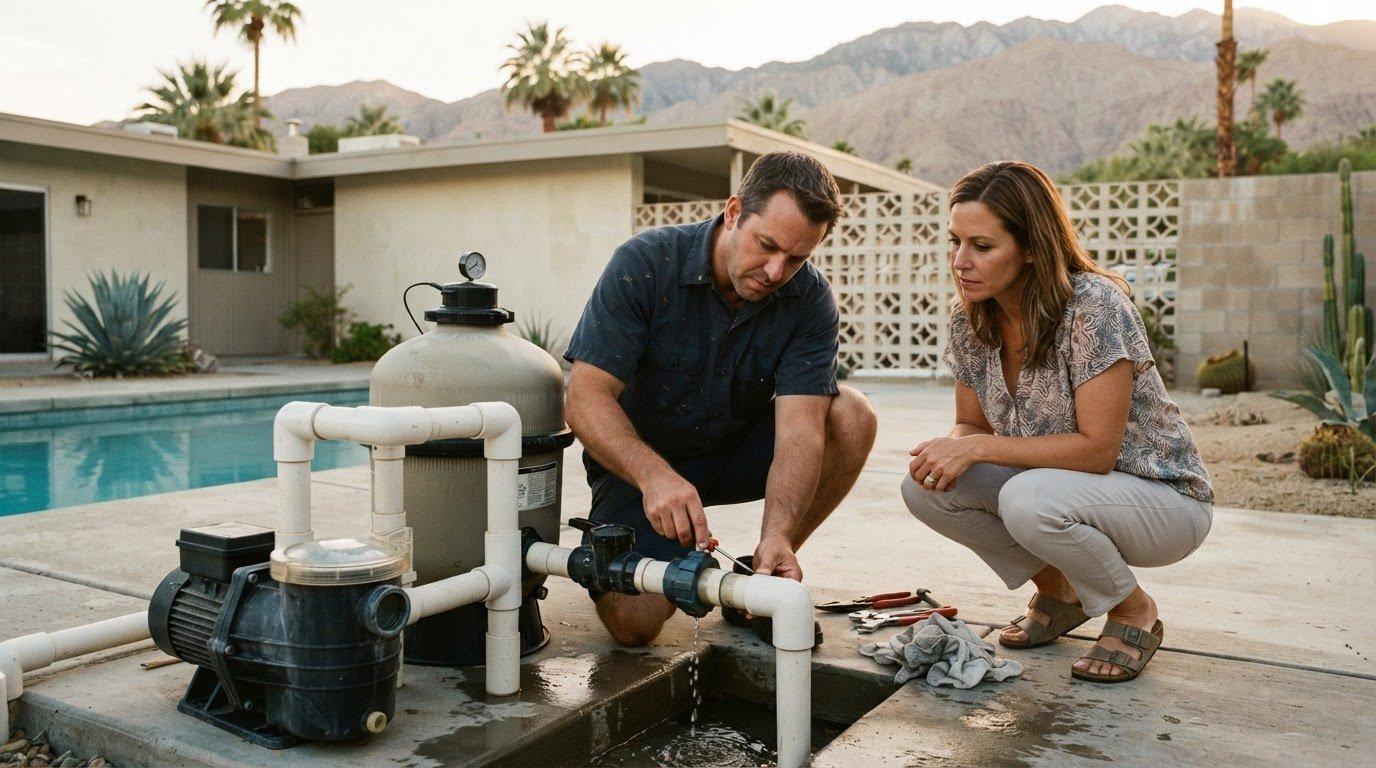
Property care also covers outdoor areas. A maintenance schedule may include gutters, window caulk, tree and bush trimming, gardens, decks, balcony furniture, and pools. Pool upkeep includes checking filtration systems and inspecting the water regularly. Coordinating these tasks alongside interior repairs helps ensure outdoor wear and neglected maintenance do not go unnoticed between stays.
Routine tasks, such as changing filters, replacing batteries, resetting equipment, or maintaining outdoor areas, may be covered by a service fee or billed separately. The agreement determines which applies. Before work begins, owners benefit from clear communication about the task, approval requirements, and how charges will be recorded. Afterward, managers document the repair and share its status, invoice, and any follow-up needs, creating a traceable property record.
4. Hiring maintenance services versus handling work yourself
Self-management can suit an owner who lives near the property, understands its systems, and can coordinate repairs around guest arrivals. A vacation rental manager provides another option by organizing maintenance around bookings, including vendor scheduling, work tracking, and owner updates. The difference matters when a plumbing problem arises during a stay or a vacant home needs attention before its next reservation.
Under the management agreement, the owner remains responsible for repair costs while the manager organizes the response. The manager may coordinate local vendors, an in-house property care team, or both. Owners can support the process by providing appliance manuals, warranties, vendor history, and preferences for repairs or replacements. These records help technicians understand the property before work begins.
Local coordination can be useful in San Diego, Temecula, Palm Springs, Napa, and Sonoma, where access and vendor scheduling depend on the property and the work required. A plumbing concern may need a different technician and access plan from a routine appliance repair. Managers can coordinate appointments and keep owners informed as work progresses.
To compare maintenance services and service-level commitments, review the written scope and specific terms in each management agreement. Look at how routine tasks, urgent reports, vendor coordination, documentation, owner approvals, and guest updates are handled. A clearly described process is easier to assess than a broad promise. Any response commitment should distinguish acknowledging a report from completing a repair.
Self-management may remain practical when an owner has reliable local help and can oversee inspections, repairs, and guest communication. Professional management becomes more relevant when those responsibilities compete with other priorities or require consistent coordination across bookings. For owners seeking an integrated approach to rental operations, explore professional vacation rental management and consider how maintenance coordination fits the property’s needs.
Allura Homes: Full-Service Vacation Rental Management
Allura Homes provides Full-Service Vacation Rental Management for owners seeking professional oversight of a short-term rental. This can be a natural next step if coordinating maintenance, guest needs, and property operations has become difficult alongside bookings. Owners can also use Market Analysis and Revenue Projections to inform investment decisions, Multi-Channel Listing Optimization to reach travelers across platforms, and STR Compliance and Permitting Services to navigate regulatory processes.
These services connect day-to-day property operations with the broader needs of a vacation rental business. If you are considering management support, weigh whether professional coordination fits your property’s needs and the level of involvement you want. Contact Allura Homes to discuss full-service vacation rental management for your property.
Set a Clear Maintenance Standard for Your Rental
The right maintenance arrangement should fit how involved you want to be in daily property decisions. Before choosing your next step, consider the oversight you want, how much coordination you can manage personally, and what updates will keep you informed. Understanding how vacation rental managers handle maintenance can help you decide where professional support would make the greatest difference to your ownership experience.
Think beyond the next repair. A thoughtful operating approach can help you manage the property as bookings, guest needs, and upkeep demands change. Allura Homes brings vacation rental management into a broader ownership strategy, giving you a place to discuss how your property should be managed.
Discuss your rental with Allura Homes and take a considered next step toward a management approach that fits your goals.
Frequently Asked Questions
What’s the difference between vacation rental maintenance and repairs?
Maintenance is planned care intended to keep property systems and features working; repairs address an existing fault or damage. For example, arranging a routine refrigerator inspection is maintenance, while fixing it after it stops cooling is a repair. Managers use this distinction to plan work, record recurring problems, and decide whether an issue needs a vendor visit or monitoring.
Do property management companies pay for repairs?
Usually, the owner is responsible for repair costs while the manager coordinates the work; the management agreement sets the arrangement. It may explain which work can proceed within a preapproved spending limit and which requires owner approval. Replacing a failed appliance, for example, may follow a different approval process from a small adjustment. The invoice and work record help clarify the charge.
What maintenance tasks do vacation rental managers handle routinely?
Routine tasks depend on the home’s systems and the management agreement. They may include coordinating cleaning and restocking, reviewing recurring issues, and arranging scheduled care for property features. For a home with specialized equipment, the manager can track service intervals and maintenance history, making repeated faults easier to identify. The aim is to distinguish planned upkeep from repairs prompted by a new problem.
How do vacation rental managers schedule preventive maintenance between guest stays?
Managers use booking calendars to find suitable work windows, then match each task to its urgency, duration, and access needs. A short gap may suit a quick condition check, while work that could affect guest access may need a longer vacancy. Understanding how vacation rental managers handle maintenance also means considering vendor availability and whether to schedule a task during a quieter occupancy period.
How do vacation rental managers find and coordinate contractors and repair vendors?
Managers coordinate vendors by matching the reported issue with the right trade, arranging property access, and sharing the work scope. A plumbing concern, for instance, calls for different expertise from an appliance fault. Managers can track the appointment, record completed work, and note any follow-up needed. Local knowledge of San Diego, Temecula, Palm Springs, Napa, and Sonoma can help inform access planning.
How much do vacation rental management companies charge for maintenance and repairs?
Maintenance charges depend on the management agreement and the work involved. Routine tasks may be included in a service fee or billed separately; repair costs depend on the issue, parts, labor, and scope. There is no single charge that applies to every property. Project-specific pricing depends on the case and is provided after a quote request, with the work details shaping the estimate.
Related Articles
Continue reading about this topic.


Need Help Managing Your Rental?
Our team has 13+ years of experience improving revenue for California vacation rental owners.