Problems With Self-Managing an Airbnb: Guest and Upkeep Challenges
 allurahomesNovember 3, 202611 min read
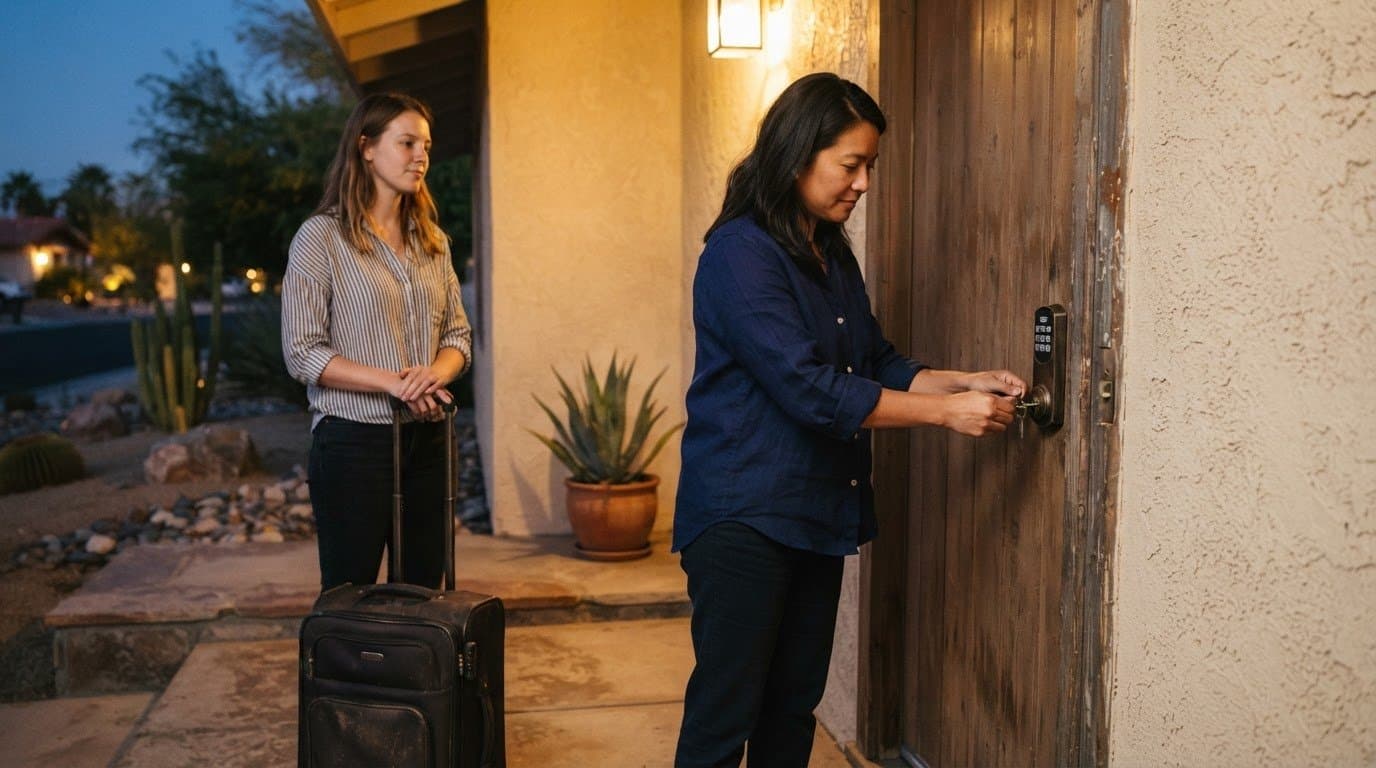
Yes, managing an Airbnb yourself can be demanding: hosts may spend 20-40 hours per week on hosting tasks. The problems with self-managing an Airbnb often include late-night guest messages, coordinating cleaning and repairs, and keeping every responsibility on track between stays.
The appeal of self-managing an Airbnb is clear: you stay close to your property and make the day-to-day decisions. But guest needs rarely arrive on a convenient schedule, and upkeep can quickly compete with work, travel, or family commitments.
This guide explains where the workload comes from, from guest communication and turnovers to maintenance and local compliance. You’ll get a practical view of what self-management involves, so you can decide whether to keep handling the details yourself or bring in support.
Key Takeaways
- Set clear guest communication routines so urgent questions don’t constantly interrupt your personal time.
- Assess the full hosting workload, including coordination and follow-up, before deciding whether self-management fits your schedule.
- Build a reliable turnover process for cleaning, supplies, and repairs to keep each stay on track.
- Use a consistent property-care checklist, including monthly appliance inspections, to catch upkeep issues before they disrupt a booking.
1. Handling demanding guests and late-night messages
An Airbnb guest may message at 11 p.m. expecting an immediate answer. Self-managing hosts may need to remain available 24/7, including during meals, work, and sleep. A missing access code can quickly become a check-in problem if nobody replies. These interruptions are among the most demanding parts of hosting alone.
Set a communication routine before accepting bookings. Airbnb hosts are advised to aim to respond within an hour, so prepare accurate check-in instructions and saved answers for common questions. For example, a clear guide can explain where guests find the entrance, Wi-Fi details, and listed amenities. Check messages regularly during active stays, and tell guests when you’ll follow up.
For emergencies and complaints, acknowledge the guest, establish what happened, and give a clear next step. If someone faces immediate danger, direct them to emergency services; for a repair issue, contact the person responsible and keep the guest informed. Inadequate guest screening can lead to calls from neighbors, security, or a condo board at 3 a.m., adding pressure beyond the reservation.
Consistency also shapes the guest experience. Keep amenity details accurate, then use a turnover checklist to confirm towels, kitchen basics, and working access instructions. If a guest expects a coffee maker shown in the listing and finds it missing, that mismatch can overshadow an otherwise smooth stay and lead to a complaint.
When a guest is upset, respond calmly and address the specific issue rather than arguing about blame. If the complaint concerns cleanliness, confirm what needs attention and explain what you’ll do. Keep communication on the booking platform where possible, and avoid promises you can’t keep. A composed response gives the conversation a practical path forward.
Reviews reflect both the stay and how concerns were handled. Look for recurring issues, such as confusing arrival instructions or an amenity that didn’t match expectations. Then update the listing or guest guide before the next booking. This follow-through helps align expectations and prevent repeated communication problems.
2. Is it hard to manage an Airbnb?
It can be demanding because hosting involves more than accepting a booking. Self-managing hosts may spend 20-40 hours per week on hosting tasks. That time can include preparing the property, managing the calendar, making business decisions, and resolving issues between stays. The workload can become harder to sustain when hosting competes with a regular job, family commitments, or travel.
Turnovers require precise timing. After checkout, the property may need cleaning, laundry, restocking, and an inspection before the next guest arrives. If a cleaner finds a damaged chair or a missing kitchen item, you must decide what to replace and whether the property is ready. A repeatable process helps keep each booking on schedule.
Damage adds another layer of work. A stained rug or broken appliance may require documentation, replacement planning, and guest communication. Keep dated photos and receipts, then review the property after each stay. Accurate listing descriptions and house instructions also set expectations for how guests should use the amenities.
Routine maintenance matters between bookings, too. A slow drain or unreliable lock can disrupt an arrival if nobody catches it early. Track recurring tasks, note issues as they appear, and schedule repairs around reservations. A maintenance log helps you distinguish a one-time fix from a recurring problem.
Professional management may suit owners who lack time for these moving parts or live far from the rental. Full-service vacation rental management can coordinate property operations, while owners who prefer hands-on hosting can retain direct control. If operational oversight is becoming difficult to sustain, explore full-service vacation rental management as one possible way to reduce the day-to-day burden.
3. Cleaning and maintenance coordination
A reliable turnover connects guest departure with the next arrival. Use one shared calendar to record checkout, cleaning, inspections, and repair appointments. Assign each task to a named person, then confirm completion before sending check-in details. This simple sequence helps prevent a cleaner and arriving guest from reaching the property at the same time.
A written cleaning checklist makes standards clear. Include room-by-room tasks, such as changing linens, sanitizing bathroom surfaces, removing rubbish, and checking kitchen supplies. Add a final walkthrough for overlooked details, like fingerprints on a glass door or crumbs inside a drawer. Ask the cleaner to report damage or missing items before leaving.
How can hosts coordinate guest messages, check-in, cleaning, and maintenance efficiently? Keep booking details and task assignments in one calendar, provide clear arrival instructions, and use a checklist for every turnover. Record maintenance issues as they arise, then schedule work between stays whenever practical.
For maintenance, distinguish urgent problems from routine upkeep. A loose cabinet handle can go in the repair log, while a faulty entry lock needs prompt attention before the next arrival. Inspect appliances regularly and note unusual sounds, leaks, or changes in performance. Dated records help identify repeat issues and plan repairs around reservations.
Clear handoffs matter. Give cleaners a way to report late checkouts, supply shortages, or repairs that could prevent the property from being guest-ready. Review updates before confirming the next check-in. If a stained duvet needs replacing, for example, add it to the task list and verify the replacement is in place before guests arrive.
Coordination can also protect profit by reducing avoidable rework and guest disruption. Track recurring cleaning omissions, repeated repairs, and supply use in one property log. Then adjust the checklist or restocking routine to address the pattern. A consistent process turns each completed stay into useful information for the next turnover.

4. Owner responsibilities when self-managing an Airbnb
Owners remain responsible for more than keeping occupancy steady. They must understand the rules affecting the property, maintain accurate records, monitor operating costs, and keep the listing aligned with the home. These duties continue between bookings, even when no guest is present.
Which local permits, taxes, zoning rules, and short-term rental regulations apply? Requirements depend on the property’s city, county, and state, so identify the local rules for registration, permitted use, and applicable taxes before hosting. Keep permit records and filing dates organized, then revisit them when local requirements change.
What does Airbnb charge hosts, and what other operating costs should they expect? Platform charges depend on Airbnb’s fee structure and booking details. Operating expenses can include cleaning, supplies, utilities, insurance, repairs, and replacement items. Track each category against booking income to understand how costs affect profit and occupancy.
Owners also need a practical system for records and property checks. Inspect appliances regularly, note issues such as a refrigerator that cools inconsistently, and arrange maintenance before the next stay when possible. Keep receipts, invoices, and dated notes together. These records make recurring expenses easier to identify and help you plan upkeep.
What software and smart-home tools help with Airbnb self-management? A shared calendar can organize bookings and maintenance, while a spreadsheet can track expenses, supplies, and permit dates. A smart lock can simplify guest entry, and a noise-monitoring device can flag potential disturbances. Choose tools that suit the property and establish a backup plan for access.
Review the full operation regularly: listing accuracy, local requirements, booking records, and property condition. If coordinating these responsibilities alongside guest stays is taking too much time, explore full-service vacation rental management for support with ongoing rental operations.
Before hosting, confirm the property’s registration and permitted-use requirements, and identify applicable taxes. Keep permit records and filing dates organized, then review local requirements for changes.
Allura Homes: Full-Service Vacation Rental Management
Allura Homes provides Full-Service Vacation Rental Management for owners who want support with the demands of short-term hosting. Services include Market Analysis and Revenue Projections to inform investment decisions, Multi-Channel Listing Optimization to reach travelers across platforms, and STR Compliance and Permitting Services to help navigate local requirements.
Consider a management partner when guest coordination, property upkeep, listing performance, or compliance takes more time than you can give it. Allura Homes offers full-service management, including guest communication, cleaning coordination, and maintenance, as well as market analysis and listing optimization. The right approach depends on how involved you want to be and which responsibilities you want handled.
Contact Allura Homes to discuss your vacation rental management needs.
Choose a Hosting Approach That Fits Your Priorities
Recognizing the problems with self-managing an Airbnb can help you make a deliberate choice before hosting starts to interfere with other priorities. Consider which tasks you want to handle, which require consistent attention, and how much time you can realistically give the property. The right arrangement should support your investment goals and preferred level of involvement.
You might continue managing day to day while refining your routines, or bring in support for broader operational responsibilities. Either way, decide how you’ll review property performance and respond when your hosting needs change. A clear plan can help protect the guest experience while keeping your role manageable.
If you’re ready to discuss a more supported approach, contact Allura Homes to discuss hosting. A thoughtful next step can help you move forward with greater clarity and confidence.
Frequently Asked Questions
Is it hard to manage an Airbnb?
Hosting responsibilities can be difficult to fit around your regular schedule. A work meeting, for example, may overlap with a guest’s arrival question or a repair visit. The challenge is not just the number of tasks; it is switching between guest service, property decisions, and business oversight. Owners who enjoy hospitality and can plan flexibly may find the work more manageable.
When does it make sense to switch?
Consider changing your approach when hosting repeatedly disrupts work, travel, or personal commitments. Review your booking calendar alongside the time spent on guest needs and property decisions. If you’re postponing maintenance or struggling to keep your listing current, decide which responsibilities to retain and which to delegate.
What are the most common challenges of self-managing an Airbnb?
The common problems with self-managing an Airbnb include balancing guest expectations, property operations, and business decisions. One difficult reservation can demand several kinds of attention at once: resolving a complaint, arranging a repair, and documenting what happened. Owners also need to monitor local requirements and keep listings accurate. Recurring issues may signal that a process needs improvement, rather than another one-off fix.
How much time does it take to manage an Airbnb yourself?
The time commitment depends on booking activity, property complexity, and how far you live from the rental. Frequent turnovers require more coordination than longer gaps between stays. Track time spent on messages, scheduling, recordkeeping, and decisions across several booking cycles. Your own record will show whether hosting fits your available time better than a general estimate.
What tasks are involved in self-managing a short-term rental?
Self-management includes preparing the listing, setting availability, reviewing booking details, and guiding guests through arrival. Owners also coordinate turnovers, monitor the property, maintain records, and make decisions about pricing and upkeep. Before opening dates on the calendar, for example, confirm that the listing matches the home and planned maintenance won’t affect an upcoming stay.
How does self-managing compare with hiring an Airbnb property manager?
Self-management gives owners direct control over decisions and guest interactions, but also leaves them responsible for coordinating the work. A property manager can take on operational responsibilities, depending on the arrangement. Compare the support offered with the tasks you most want to delegate, such as guest relations, cleaning coordination, or maintenance. The best fit depends on your preferred involvement and hosting priorities.
Related Articles
Continue reading about this topic.



Need Help Managing Your Rental?
Our team has 13+ years of experience improving revenue for California vacation rental owners.