Vacation rental smart home technology for a welcoming stay
 allurahomesNovember 9, 202610 min read
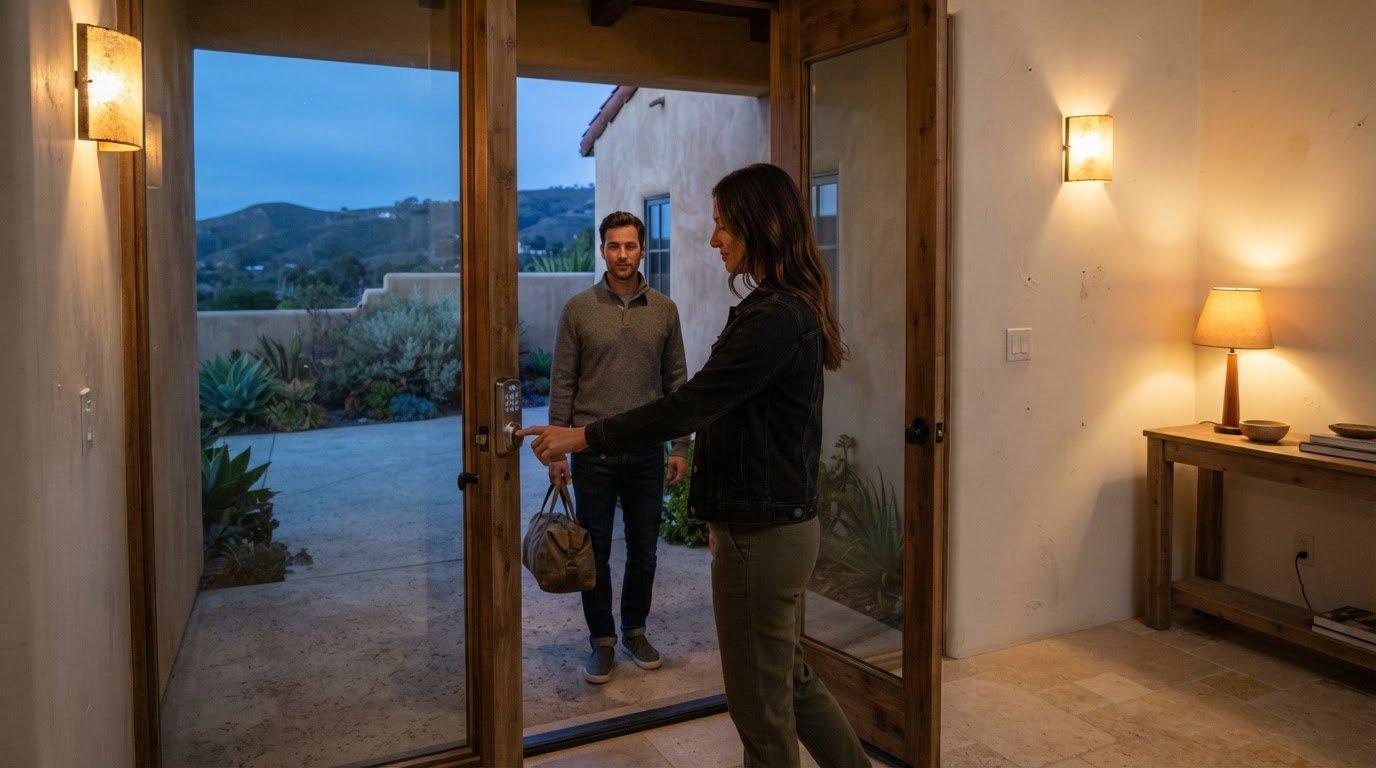
Smart home technology should make a vacation rental feel more welcoming, not like a control room. A thoughtful vacation rental smart home technology setup uses smart locks to simplify arrival and lighting to create a comfortable first impression, while keeping everyday controls clear and easy for guests.
It’s reasonable to worry that too many devices, confusing instructions, or settings guests can’t adjust could disrupt a relaxing stay. The key is to make technology serve the hospitality, with straightforward access and natural-feeling lighting rather than intrusive automation. This guide explains how to choose and configure smart locks and lighting, make them intuitive for guests, and balance operational convenience with a warm, personal experience.
Key Takeaways
- Use temporary access codes to make guest arrivals simpler and manage entry without relying on physical keys.
- Set thermostat controls to balance energy awareness with guests’ comfort and reasonable temperature choices.
- Program lighting to create a welcoming arrival and make everyday use feel intuitive for guests.
- Choose technology that supports smooth operations while keeping the stay comfortable, clear, and personal.
1. Why smart locks?
Smart locks replace handoffs with keyless entry and temporary guest access codes. A host can assign a unique code to each booking, schedule it to activate at check-in, and set it to expire at checkout. Guests enter without collecting a physical key, while vendors such as housekeepers can receive separate access codes. If a code is lost or compromised, it can be reset without calling a locksmith.
Local requirements depend on the state and municipality where the rental operates, so there isn’t one nationwide rule for locks, sensors, and cameras. Airbnb prohibits indoor security cameras in listings globally starting April 30, 2024; disclose installed security devices and their locations to guests.
To install and configure a smart lock, choose a model compatible with the door, fit it according to its instructions, then create and test a temporary code. Confirm it works at the entry and follows the booking’s check-in and checkout times. Some locks store codes locally, allowing entry during an internet outage. Include clear arrival instructions in the guest’s check-in details.
Hosts can automate check-in by scheduling a guest’s access code around the reservation, then coordinating climate control and smart lighting through compatible controls. For example, a thermostat can be adjusted between stays, while lights can be programmed to turn on at sunset. A Google device or connected hub may be part of the setup, but explain clearly which controls guests need to use.
Smart locks support orderly access, but they don’t replace smoke detectors or carbon monoxide alarms. Include these safety alarms in the property’s protection plan, and make lock instructions easy to find. In a thoughtful vacation rental smart home technology setup, keyless entry manages access while simple directions help create a welcoming arrival.
Smart thermostats
A smart thermostat gives hosts remote control over heating and cooling between guest stays. Owners can set a comfortable temperature range, make occupancy-based adjustments, and avoid heating or cooling an empty property unnecessarily. Before choosing one, consider the existing heating and cooling system, the controls guests need, and how easily settings can be adjusted between bookings.
Automation should support comfort, not take it away. Set reasonable temperature limits while leaving travelers room to adjust the thermostat during their stay. Avoid settings that prevent guests from making any adjustments. A clear instruction card near the thermostat can explain the basic controls, while the host manages the schedule remotely before arrival or after checkout.
Heating and cooling account for around 39% of energy consumed by the average home. Smart thermostats can reduce vacation-rental energy costs by 15–25% annually. Those savings depend on how the home is managed: occupancy-based adjustments and between-stay settings can help limit unnecessary use. They should complement sensible guest controls, not create an uncomfortable indoor environment.
For a practical setup, install the thermostat according to its instructions, configure an appropriate temperature range, and set schedules around occupancy. Then test guest-facing adjustments and remote controls before the next booking. Most smart thermostats continue running their last programmed schedule without an active internet connection, which can preserve basic operation during a connection interruption.
For core control, smart locks, thermostats, and smart lighting address arrival, climate, and illumination. Choose devices around the property’s needs rather than adding technology for its own sake. Owners coordinating these decisions with broader rental operations can explore full-service vacation rental management.
3. Smart lighting
Smart lighting can make a vacation rental feel considered from the moment guests arrive. Program entry lights to turn on at sunset, then adjust brightness in shared spaces for evenings or quiet reading. A well-lit arrival feels useful and welcoming, while clear controls let guests change the atmosphere to suit their plans. Test each setting in the room where guests will use it.
Remote control adds a practical layer between bookings. Hosts can turn lights off after guests leave or switch them on before an arrival. Create simple scenes, such as bright kitchen lighting for meal preparation and softer living-room lighting for relaxing. Keep manual switches usable, too, so guests can adjust lights without navigating an app or learning a complicated routine.
Sensors can add context to smart home devices, but each should have a clear purpose. A motion sensor can notify a host about unusual activity, such as entry when the property should be empty. Temperature and humidity sensors report indoor conditions, while a light sensor measures available light. For example, these readings can help identify a dim hallway or an unusually warm room.
For a balanced setup, map the guest journey first: the entrance, main living area, kitchen, and bedroom. Pair a smart lock with lighting that makes the entry easy to navigate, then let guests control room lights directly. Avoid lighting changes that surprise people or interrupt rest. Before each booking, test the programmed sunset schedule, brightness adjustments, wall switches, and remote controls. This keeps automation discreet, preserves guest choice, and lets hosts manage lights remotely between stays.

4. Vacation rental smart-home benefits
The strongest benefit of smart home tech is not novelty. It’s a smoother guest experience, paired with more informed property operations. Vacation rentals with smart home features are reported to command 5–15% higher rental rates and experience 30% shorter vacancy periods than properties without them. These figures make technology worth considering, but the guest-facing benefit should remain clear: convenient entry, comfortable lighting, and controls that are easy to understand.
That estimate can help frame an equipment budget. The right investment depends on the property’s needs and the devices selected. Start with practical functions guests notice, then add monitoring or automation that supports property operations without making the stay feel overmanaged.
Noise monitoring can help hosts respond to potential disturbances while respecting guest privacy. Vacation-rental noise monitors can detect noise levels without recording or transmitting audio. Set alerts for sustained high sound levels rather than brief spikes; thresholds are typically set at 10 or more minutes. Airbnb requires hosts to disclose noise monitors in their listings. Explain what the monitor detects and where it is located, and make the same information easy for guests to find before arrival. This helps set expectations with guests and neighbors, especially around parties.
Airbnb and other vacation rental platforms manage reservations, while smart devices control property functions. Use booking dates to coordinate access schedules, thermostat adjustments, and lighting routines through a compatible management workflow. Before each stay, test that the planned settings match the reservation and provide straightforward instructions. Keep device controls separate from listing promises: the platform communicates stay details, while devices support the experience at the property.
For a coordinated approach to guest convenience and property operations, align smart-home decisions with rental management.
Allura Homes: Full-Service Vacation Rental Management
Allura Homes provides Full-Service Vacation Rental Management for owners who want technology choices to support a smooth guest experience and a clear investment strategy. Smart locks, thermostats, and lighting are part of the wider operating picture, alongside pricing decisions, listing performance, and local requirements in markets such as San Diego, Temecula, Palm Springs, Napa, and Sonoma.
Owners refining a property’s rental strategy can use Market Analysis and Revenue Projections, while Multi-Channel Listing Optimization helps present the rental across booking channels. STR Compliance and Permitting Services address another need: navigating permits and compliance as part of operating a short-term rental.
Consider Allura Homes when managing bookings, improving performance, and coordinating the details of a vacation rental calls for broader support. Contact Allura Homes to discuss your property and management needs.
Make your next upgrade part of a considered plan
Before adding another device, decide how you want the guest experience to feel and which operational task needs attention. A vacation rental smart home technology setup works best when each choice serves a clear purpose rather than adding complexity for its own sake. That perspective can guide future improvements as your property, guest expectations, and management priorities evolve.
Technology is only one part of a well-positioned rental. Allura Homes offers Full-Service Vacation Rental Management, Market Analysis and Revenue Projections, and Multi-Channel Listing Optimization to support owners with broader management and performance decisions. If you’re considering how those priorities fit together for your property, contact Allura Homes today.
A thoughtful plan can help your property feel easy to manage and welcoming to stay in. Take the next step with clarity and shape an experience that reflects the care you want guests to remember.
Frequently Asked Questions
Do smart home devices feel too technological and ruin the guest experience?
They don’t have to. Keep essential controls familiar, such as a wall switch for lights and a clearly labeled thermostat. Guests can use the home comfortably without downloading an app or learning a complicated routine. For example, automate arrival lighting behind the scenes while keeping everyday adjustments straightforward and under the guest’s control.
Are smart cameras a privacy violation for guests?
They can compromise privacy if placed where guests expect personal space. Airbnb prohibits indoor security cameras in listings globally starting April 30, 2024. If exterior cameras are used, disclose their locations to guests. For noise awareness, consider monitors that detect sound levels without recording or transmitting audio, and explain where they’re located before guests arrive.
Do I need high-speed internet for smart home features?
A reliable connection helps internet-dependent devices respond and supports guest streaming. For vacation-rental Wi-Fi in 2026, a minimum download speed of 100 Mbps is recommended. Router placement also matters: a Wi-Fi booster can help extend coverage to rooms where the signal is weak. Clear coverage throughout guest areas supports more consistent use of connected features.
How do I handle smart home tech if the Wi-Fi goes down?
Plan for what can work offline. Smart locks that store access codes locally can let guests enter during an internet outage, while most smart thermostats continue their last programmed schedule. Provide a simple outage instruction and a clear backup entry procedure. After service returns, confirm connected devices are responding as expected.
What Are The Benefits of Implementing Smart Home Technology in a Vacation Rental?
Smart features can make key property functions easier to manage and add useful conveniences for guests. For instance, smart smoke and carbon monoxide detectors can notify an owner through a mobile app when an alarm sounds. A smart TV can let travelers use their own streaming accounts. Choose features that address real operational needs or improve a guest’s stay.
Why smart locks?
Smart locks make property access easier to coordinate without handing over a physical key. Hosts can set distinct codes for guests and vendors, then manage access around each reservation. If a code is lost or compromised, it can be reset without calling a locksmith. This provides a practical way to manage entry while keeping arrival instructions simple.
Related Articles
Continue reading about this topic.
Need Help Managing Your Rental?
Our team has 13+ years of experience improving revenue for California vacation rental owners.