How to Be a Good Airbnb Host Without Neglecting Yourself
 allurahomesNovember 25, 202611 min read

Being a good Airbnb host shouldn’t mean being on call for every detail. How to avoid being a stressed Airbnb host comes down to setting realistic expectations, protecting time to rest, and creating dependable systems for guest needs, property care, and changing requirements. Thoughtful hosting doesn’t have to be limitless.
It’s understandable to want guests to feel welcome while feeling stretched by messages, turnovers, maintenance, and uncertainty about local rules or market shifts. This guide explains how to balance service with personal boundaries, plan for common hosting pressures, and build a responsive operating approach. You’ll also learn how professional vacation rental management can support a consistent guest experience while giving you more room to focus on your priorities.
Key Takeaways
- Set a practical standard for cleanliness and guest communication, then decide which hosting responsibilities a professional manager can handle.
- Recognize how repeated messages, turnovers, and guest expectations can add up, and build a hosting approach that leaves room for personal boundaries.
- Local requirements can vary and change, so a compliance review should be part of responsible rental management.
- Use market analysis and flexible operating decisions to respond thoughtfully when regulations or booking conditions shift.
Setting realistic cleanliness and entertaining expectations with a professional vacation rental manager
A professional manager turns “clean enough” into a clear standard for each turnover. Airbnb properties should be cleaned to a very high standard, comparable to a hotel, with guest-ready essentials such as sheets, towels, toilet paper, and soap. For a first guest arrival, allow double the preparation time you expect; a manager can coordinate the schedule and oversee the handoff instead of leaving every task to the owner.
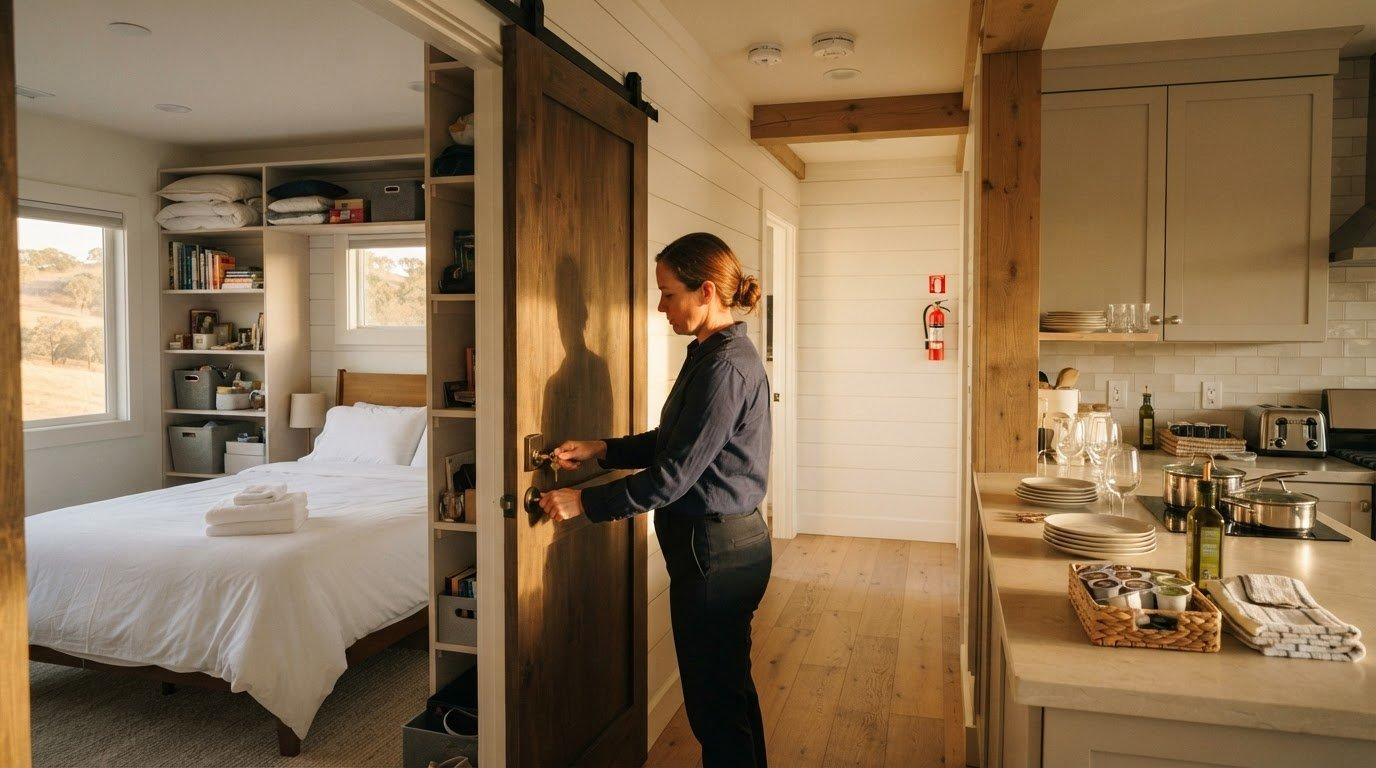
Cleaning checklists make that standard repeatable. A manager can set room-by-room steps for the cleaner, such as changing bed linens, wiping kitchen surfaces, checking bathrooms, and restocking soap. The cleaner follows the list and reports missing supplies or visible damage. The manager can review those notes and arrange maintenance before the next check-in, rather than treating each turnover as a fresh scramble.
Guest expectations start with the listing. A manager can keep amenity details and photos accurate, then share clear arrival information about parking, towels, trash bins, and after-dark access. A welcome book can answer practical questions during a stay. These details reduce avoidable confusion while leaving room for warm, professional communication. Hosting well doesn’t require meeting guests in person or being available for every conversation.
Coordination also clarifies who handles each task. The manager can schedule cleaners around reservations, monitor reported maintenance needs, and involve a co-host for guest messages or cleaning oversight when responsibilities are shared. If a guest reports a problem, a defined process identifies who responds and what needs attention. That structure helps owners set realistic boundaries, while a consistent cleaning routine protects the guest experience and the property between stays.
2. What are the most common issues that Airbnb hosts experience?
Hosting can disrupt routines with overnight guests, check-in questions, complaints, and pressure to stay available. “Guest Stress Syndrome” is not a clinical diagnosis or medical term; it’s an informal label for the strain some hosts feel. A professional manager can set expectations before arrival by stating guest limits, quiet hours, which spaces are shared, and whether visits are allowed. Clear house rules make boundaries visible before a booking begins.
Guest screening and property protection involve reviewing guest profiles and past reviews, setting clear rules, and maintaining suitable insurance. A manager can schedule check-in instructions and automate replies to recurring questions, such as where to park or how to access the property. For complaints, cancellations, or refund requests, the manager can respond calmly, record the issue, and apply the reservation terms and platform process consistently.
Airbnb AirCover is subject to its program terms, and its limits and claim deadlines depend on the claim and applicable process. A manager can document reported damage promptly and help submit a claim through Airbnb, while keeping suitable insurance separate from platform protection.
Rates and minimum stays can be adjusted around local demand, turnover workload, and operating costs. A manager can consider a two- or three-night minimum when the local market supports it, reducing frequent turnovers without assuming longer stays will always produce more income. Market analysis helps weigh booking patterns against the time needed to prepare the property.
These boundaries let you step back from routine hosting without leaving guest needs unattended. A manager can also clarify how shared spaces work and which communications need your attention, helping protect quiet time while keeping expectations consistent for guests.
3. Checking local legal requirements
Local rules can affect whether and how a property is offered for short-term stays. A professional manager starts by identifying the property’s jurisdiction and contacting the local council to learn which requirements apply. The manager requests the rules in writing, then organizes the relevant information around the property and its booking process. This creates a practical reference instead of relying on assumptions or informal summaries.
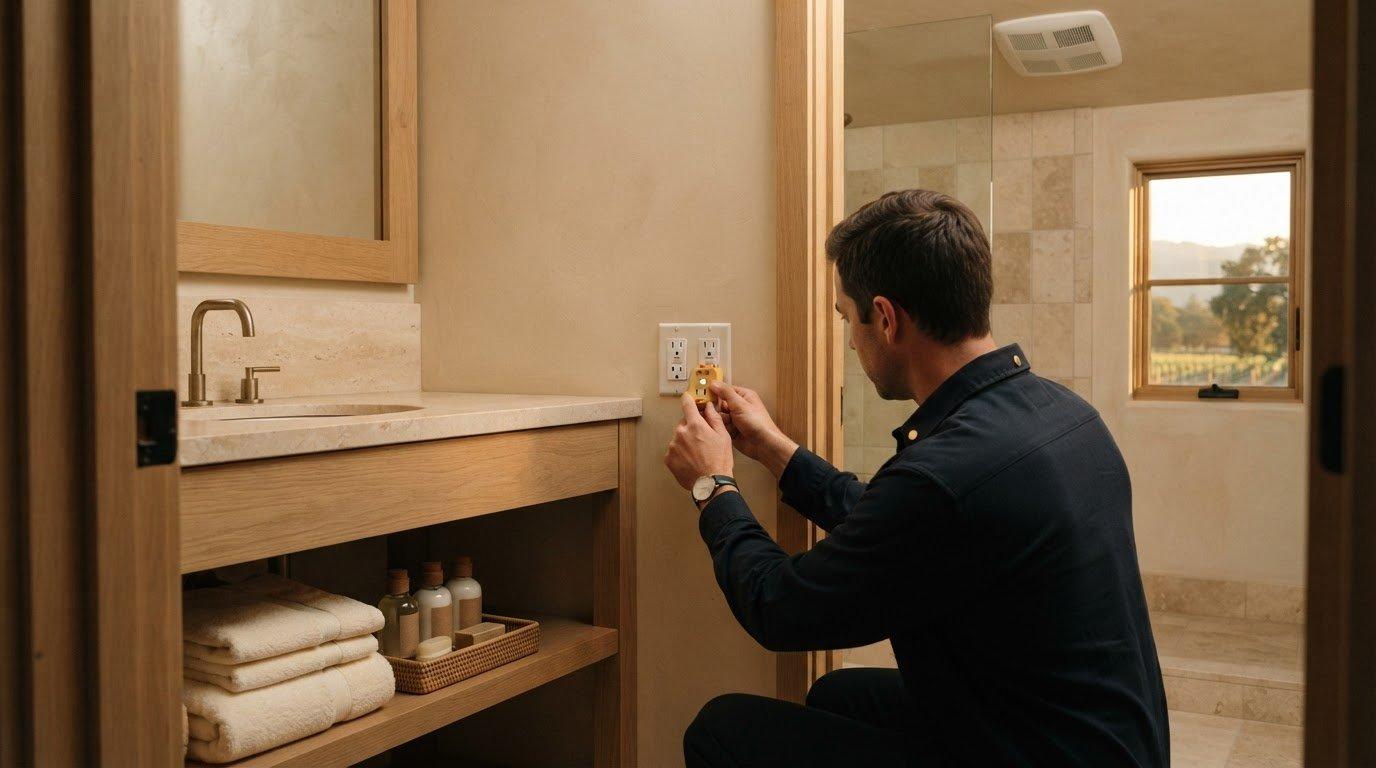
The review can cover requirements that may affect a rental: local short-term rental rules, permits or registration, and lodging-tax obligations. It can also identify applicable property or safety requirements. These questions depend on the specific location, not on universal rules. A manager records what applies, what steps are needed, and which responsibilities remain with you.
For example, a manager can map each compliance item to the booking workflow. If a permit applies, the record can note its status and any renewal step. If tax collection or reporting applies, the manager can clarify how that responsibility fits the rental’s operations. Clear records help prevent compliance tasks from being overlooked when listings change or reservations are planned.
Requirements can change, so a one-time review isn’t a lasting strategy. Hosts should revisit their compliance setup periodically because rules, platform policies, and local requirements can change. A manager can review the written record, identify changes, and update operating procedures or listing details where needed. Regular reviews help keep compliance considerations connected to each booking.
Professional compliance support is especially useful when preparing a property for short-term rental or adjusting its operation. The manager organizes relevant local requirements and permitting steps, while you provide property details and make decisions that require your approval. Clear roles turn complex local questions into a manageable operating process.
Check the rules that apply in the property’s jurisdiction, including short-term rental restrictions, permit or registration requirements, lodging-tax collection or reporting duties, and any property or safety requirements. Confirm the applicable steps with the local council, keep the requirements in writing, and review them periodically for changes.

How a professional manager adapts to regulations and market changes
Good hosting plans need to adapt when local rules or booking conditions shift. A professional manager can connect compliance reviews with operating decisions, then update procedures when requirements change. For example, a change affecting short-term rental permissions may influence whether the listing remains available, how bookings are managed, or what steps you need to take. Linking those decisions can reduce last-minute disruption.
Market changes call for a separate review. A manager can assess booking patterns, local demand, and your property’s performance, then explain how those factors affect revenue projections. If demand softens, pricing, minimum stays, and calendar availability may need adjustment. If reservations become harder to accommodate, the manager can weigh turnover demands against booking opportunities. Each strategy should reflect the property’s costs and your operating priorities. For owners considering how to avoid being a stressed Airbnb host, a measured approach can replace rushed reactions with informed decisions.
Relying on Airbnb income can make disruptions feel more stressful. A pandemic, government regulation, or homeowners association rule may affect bookings or operations. You can reduce that exposure by considering how rental income fits your broader financial plans, rather than treating steady bookings as assured. A professional manager can assess the rental’s market position and operating assumptions without presenting projections as guaranteed income.
For owners exploring how to avoid being a stressed Airbnb host, a practical response follows a clear sequence: identify the change, assess its effect on compliance and demand, then revise the operating plan. A new local requirement may call for updated procedures; a market shift may call for revised pricing or booking settings. This gives you a defined decision process instead of making every change feel like an emergency.
To understand how local demand informs a rental’s revenue outlook, review your property’s market position.
Allura Homes
Allura Homes helps vacation rental owners manage hosting demands with a coordinated approach to property operations. If guest communication, changing local requirements, or shifting market conditions are taking too much of your attention, professional management can bring those responsibilities into a clearer plan. The right support depends on what’s creating the most pressure: day-to-day hosting, understanding revenue potential, improving listing reach, or addressing compliance and permitting needs.
With full-service vacation rental management, you can hand over operational responsibilities while retaining input into your property and hosting priorities. Market analysis and revenue projections can inform decisions as conditions change, while listing optimization and compliance support address other parts of your rental strategy. Contact Allura Homes to discuss support for your vacation rental.
Make hosting sustainable on your terms
The next step is to define what a sustainable hosting arrangement looks like for you. Decide which parts of the experience you want to shape personally and which responsibilities are creating the most strain. That distinction can help you choose support that fits your priorities, rather than accepting constant availability as part of being a good host. Learning how to avoid being a stressed Airbnb host starts with making room for those priorities in the way your rental is managed.
A thoughtful management plan should support both the guest experience and your capacity. It can give you a clearer role in decisions while reducing the burden of handling every operational detail yourself. The goal isn’t to do less for guests; it’s to host in a way that remains workable over time.
If you’re ready to explore a more manageable approach, contact Allura Homes to discuss your hosting needs. A considered next step can help you move forward with greater clarity and confidence.
Frequently Asked Questions
How can I be a good host while also taking care of myself?
Set a hosting rhythm that doesn’t depend on your constant attention. For example, decide which guest decisions need your approval and which routine matters can be managed for you. In San Diego, Temecula, Palm Springs, Napa, and Sonoma, a professional manager can align operations with your priorities and local conditions. Protecting personal time is part of designing a sustainable hosting arrangement, not a failure to care about guests.
How does a professional manager automate guest communication without sounding robotic?
A manager can prepare message templates for recurring questions, then personalize them with the guest’s name, arrival details, or specific request. For example, a scheduled check-in note can provide property access information, while a separate reply addresses an individual question. This blend of consistency and context helps communication feel attentive. The manager can also refine templates when guest messages reveal confusing instructions or recurring concerns.
How do I become a successful Airbnb host?
Build success around a reliable guest experience and a clear operating plan. Keep the listing accurate when furnishings, amenities, sleeping arrangements, or fees change, and use guest reviews and messages to identify useful improvements. In markets such as Palm Springs or Napa, local demand can shape your rental strategy, so assess performance against the property’s conditions and your goals, not a universal formula.
What Airbnb hosting rules do I need to follow?
Follow the requirements that apply to your property’s location, along with platform policies and the rules disclosed to guests. Obligations can vary across San Diego, Temecula, Palm Springs, Napa, and Sonoma, so don’t assume one city’s approach applies elsewhere. A professional compliance review can organize applicable permit, local-rule, and tax questions, while clear house rules help guests understand expectations before confirming a booking.
What are the most common issues that Airbnb hosts experience?
Common pressure points include guest complaints, cancellations, refund requests, property damage, and repeated questions about arrival or amenities. A guest may report that an advertised feature is unavailable, for example, making accurate listing details important. Clear records of the reservation, guest communication, and property condition help a manager assess the issue and respond consistently, rather than turning every unexpected message into your immediate task.
What is hosting burnout?
Hosting burnout is an informal way to describe feeling depleted by the ongoing demands of managing a rental. Frequent interruptions, disrupted routines, and difficulty stepping away can contribute to that feeling; the phrase itself isn’t a clinical diagnosis. If hosting begins to crowd out rest or personal commitments, consider reducing the responsibilities you handle directly or pausing bookings while you reassess what feels sustainable.
Related Articles
Continue reading about this topic.

Need Help Managing Your Rental?
Our team has 13+ years of experience improving revenue for California vacation rental owners.