Vacation Rental Noise Monitoring Solutions: Legal Options and Device Choices
 allurahomesNovember 10, 202612 min read
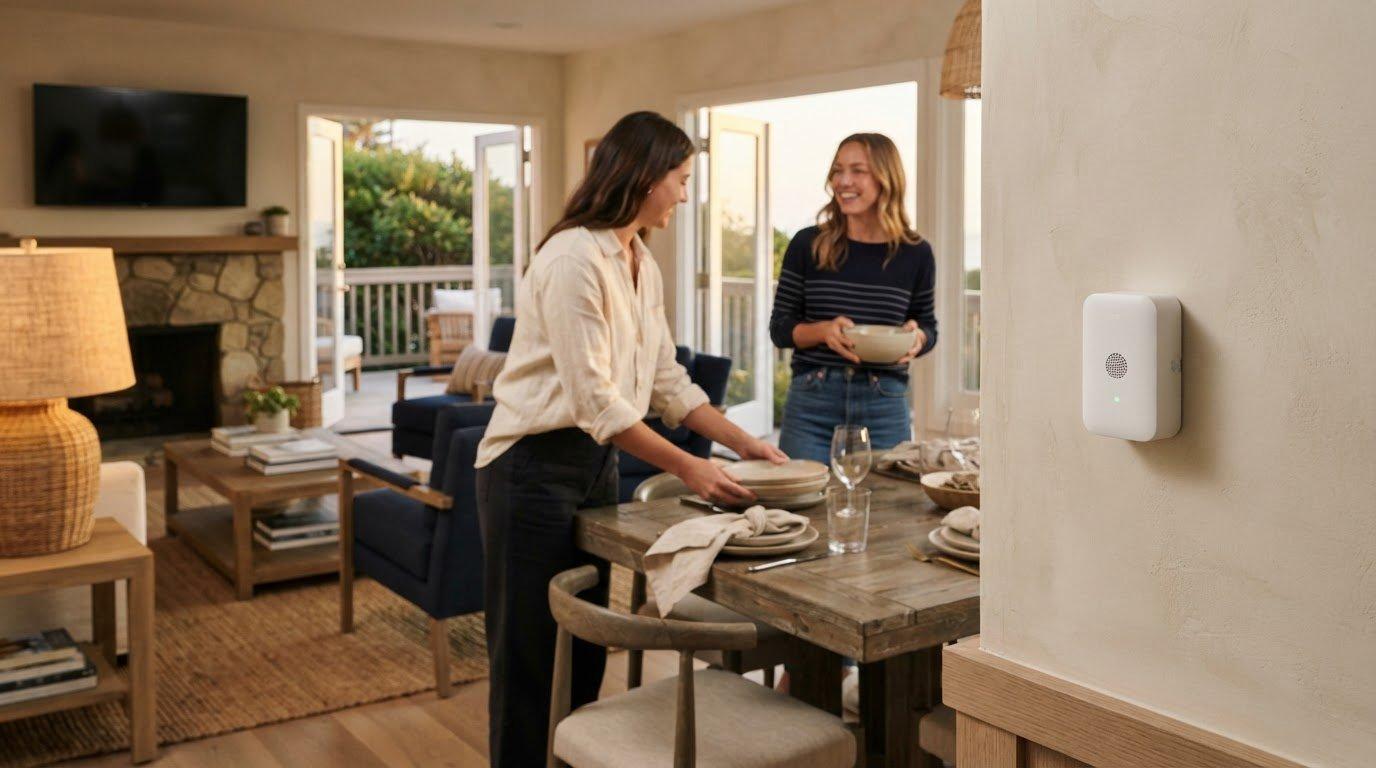
Noise monitoring can be appropriate in a U.S. vacation rental when devices are disclosed and placed carefully. Airbnb requires hosts to disclose monitoring devices before guests book and prohibits smart monitors in bedrooms and bathrooms. Vrbo and most online travel agencies also require disclosure, while local rules and homeowners’ association requirements may add conditions. Effective vacation rental noise monitoring solutions therefore begin with clear disclosure and thoughtful placement.
It’s reasonable to want a way to respond to disruptive noise without recording guests’ private conversations. Noise monitors measure sound levels, not conversations, so they can flag potential issues while respecting guest privacy when used and disclosed appropriately.
This guide covers key legal considerations, how monitoring devices work, and how leading options compare. It also explains what to weigh when choosing a device for your property management workflow, including how monitoring may fit with security systems and other tools.
Key Takeaways
- Build a party-prevention plan around clear house rules and a measured response to noise alerts.
- Distinguish sound-level monitoring from audio recording, and consider privacy in both device choice and placement.
- Map how alerts would fit into your property management workflow before choosing an integration.
- Compare devices by their monitoring approach, placement options, and integration needs to find a practical fit for your property.
Is noise monitoring legal in vacation rentals?
Yes. U.S. short-term rental rules vary by location, and some local regulations and homeowners’ associations require noise monitoring. Airbnb requires hosts to disclose monitoring devices before booking, including interior monitors in the listing’s safety section. It prohibits smart monitoring devices in bedrooms and bathrooms. Vrbo and most online travel agencies also require disclosure.
For party prevention, treat an alert as a prompt to assess the situation, not proof of occupancy. A noise monitor measures sound, so elevated levels may suggest a gathering but cannot establish guest count. Airbnb bans parties without host permission. State occupancy limits, quiet hours, and disturbance procedures in your house rules and listing details so expectations are clear before booking.
Noise monitoring systems commonly alert hosts when sound exceeds 70-80 dB for a sustained period. Set thresholds to flag disruptive noise without reacting to every brief sound. Prompt, calm outreach can address a disturbance before a neighbor complaint escalates. A complaint may lead to fines or threaten a permit.
| Monitoring option | Placement | Party-prevention role |
|---|---|---|
| Indoor noise monitor | Common area | Flags elevated sound levels |
| Outdoor noise monitor | Near a pool, patio, or balcony | Detects noise affecting neighbors |
| Bedroom or bathroom monitor | Do not place here | Prohibited by Airbnb’s smart-monitoring policy |
Place devices where gatherings could disturb neighbors, while keeping them out of private spaces.
False alarms can prompt unnecessary messages, while tampering can interrupt alerts. Unclear disclosure can also lead to guest complaints. Explain the monitor’s purpose, use neutral alert messages, and document how staff respond to repeated alerts.
Install indoor devices in common areas, never bedrooms or bathrooms. Outdoor monitors can be placed near pools, patios, or balconies. Disclose device locations in the listing description and house rules, then test alerts and check power and connectivity between stays.
What is a noise monitoring device for an Airbnb?
A noise monitor measures sound levels and can alert a host when noise remains above a set threshold. Unlike an audio recorder, it tracks decibels rather than capturing conversations or identifying who is present.
Privacy and Audio Recording
Audio recording captures sound that may include private conversations, while decibel monitoring measures how loud a space becomes. That distinction matters in a guest’s home: a reading can flag a possible gathering without storing what guests say. Vrbo permits noise monitoring devices that measure noise levels only and do not record private conversations.
Airbnb prohibits indoor cameras anywhere inside a listing, including cameras that are turned off or disconnected. Keep a noise monitor distinct from a camera or recording device, and describe its function plainly. Clear disclosure helps guests understand what the device detects and supports respectful relationships between guests, neighbors, and hosts.
Privacy-Safe Noise and Occupancy Monitoring
A noise monitor can suggest increased activity, but sound alone doesn’t confirm occupancy or count guests. A loud television, for example, may trigger an alert without a gathering. Treat readings as a signal to assess, not proof that guests broke a rule. Communicate occupancy limits through booking terms and house rules.
Privacy-conscious monitoring focuses on sound levels rather than identities or conversations. This differs from surveillance tools that capture images or audio. A device’s stated function, placement, and disclosure shape whether guests see it as a clear safety measure or an intrusion. Keep its purpose narrow: identify disruptive noise and respond proportionately.
Decibel Monitoring and Alerts
Vacation rental monitors typically alert when sound exceeds a preset threshold of 70-80 dB for a sustained period. The host receives an alert to review and respond; the device measures volume, not the cause. Threshold settings help distinguish ongoing disturbance from a brief sound, reducing unnecessary messages to guests.
After reviewing an alert, the host can send a calm message rather than treating it as an automatic violation. For example, the message can remind guests about quiet hours and house rules. This supports short-term rental compliance and can help prevent disturbances from escalating into neighbor complaints.

Integration with property management systems and security devices
Whether you manage one Airbnb or a wider portfolio, noise alerts are most useful when they fit a clear response workflow. Keep the monitor’s detection role separate from the property management system’s guest, booking, and incident records.
Monitoring Across Multiple Properties
Across a portfolio, central monitoring can help staff identify which property needs attention and respond consistently. A useful workflow links an alert to the reservation, disclosed device location, relevant house rules, and the person responsible for follow-up. This is an operational process, not proof that every noise monitor connects directly to every property management system.
Hostfully’s analysis reports smart home and IoT device use among 32-37% of vacation rental operators across portfolio size tiers. For each home, record its device location, alert recipient, and response steps in the property’s management records. That makes it easier to distinguish one property’s recurring issue from an isolated alert elsewhere.
Indoor and Outdoor Property Coverage
Indoor and outdoor devices address different coverage needs. Place an indoor monitor in a common area; an outdoor monitor may go near a pool, patio, or balcony where noise could affect neighbors. Keep bedrooms and bathrooms outside the monitoring plan, and disclose each device’s location to guests.
Plan coverage around the property layout rather than assuming one device can monitor every gathering area. A home with an indoor living room and an outdoor patio, for example, may need separate attention for each space. Keep the device location and purpose consistent across the listing, house rules, and operational notes.
For security coordination, decide which team member receives a noise alert and how they review it alongside relevant booking or property records. A noise monitor is not an access-control device or a camera; it measures sound. An Airbnb host can use an alert to guide a guest message, while security devices serve different functions.
Before using monitoring devices across multiple homes, establish a consistent process: document placement, confirm alert routing, and keep each listing’s disclosure accurate. This helps property managers handle indoor and outdoor coverage without confusing sound detection with occupancy confirmation or security surveillance.
Comparison of vacation rental noise monitoring products
Compare products by what they measure, where they operate, and how alerts fit your response process. Minut, NoiseAware, and Alertify are popular vacation rental monitoring brands, alongside basic decibel meters and outdoor sensors. The best vacation rental noise monitoring solutions match your property’s coverage needs and response workflow.
Noise Monitoring Devices
Rental noise monitoring devices measure sound levels and can alert hosts when readings exceed preset thresholds. Minut, NoiseAware, and Alertify are brands to compare, but their features may differ. Review each model’s stated monitoring and alert functions, then consider how you’ll disclose the device in your listing.
These systems suit owners who want alerts rather than a reading taken manually. The reviewed devices can be set up in about 5 minutes. Their role is to flag a possible disturbance, not record conversations or establish why guests made noise.
Decibel Meters
A decibel meter displays sound levels for a direct reading. Unlike an alert-based rental monitor, a basic meter may require someone to check the reading and decide what to do. It may suit a host assessing a specific situation, but offers less operational value if nobody is available to review it.
Compare whether the meter sends alerts, how readings are accessed, and how it fits your quiet-hours process. A sound reading alone doesn’t show whether guests are gathering or whether a disturbance is affecting neighbors.
Outdoor Noise Sensors
Outdoor sensors focus on spaces such as patios, balconies, or pool areas. Compared with an indoor monitor, their placement targets noise that may carry beyond the property. They can complement indoor coverage, but don’t replace it when the concern is noise inside a shared living area.
Choose an option that matches the noise concern and response workflow, not simply the product label. Compare vacation rental noise monitoring solutions by measurement, placement, and alert approach:
| Option | What it measures | Best suited to |
|---|---|---|
| Minut, NoiseAware, Alertify | Noise monitoring; compare model features | Hosts seeking an alert workflow |
| Decibel meter | Sound level reading | Manual, situation-specific checks |
| Outdoor noise sensor | Sound in outdoor areas | Patios, balconies, or pool areas |
For guidance aligning rental operations with monitoring choices, plan your property management approach.
Allura Homes: Full-Service Vacation Rental Management
Allura Homes brings property operations, guest experience, and investment strategy together in its management approach. Its Full-Service Vacation Rental Management can help owners coordinate oversight and establish clear operating practices for guest stays.
For owners assessing a property or looking to improve its performance, Market Analysis and Revenue Projections can inform investment decisions. Multi-Channel Listing Optimization helps properties reach travelers across listing platforms, while STR Compliance and Permitting Services support owners navigating short-term rental requirements. Together, these services connect day-to-day decisions with broader rental goals.
If noise policies, monitoring disclosures, and day-to-day management need a more coordinated approach, contact Allura Homes to discuss your property.
Set a Clear Standard for Every Guest Stay
Make the next step operational: decide who reviews an alert, how they assess the situation, and what tone guest communications should take. A consistent process helps your team respond thoughtfully instead of reacting automatically whenever a device flags activity.
Use vacation rental noise monitoring solutions as one part of a considered property strategy, not a substitute for thoughtful hosting. Align your monitoring approach with the guest experience, property goals, and the way your team handles concerns. This standard can guide decisions as your rental needs change.
When you’re ready to bring property operations and investment priorities into a more coordinated plan, start a conversation with Allura Homes. A considered next step can help you move forward with clarity and confidence.
Frequently Asked Questions
What decibel threshold should you set for your rental?
Noise monitoring systems commonly use a sustained threshold of 70-80 dB to trigger an alert. Treat this as a starting reference, not a universal setting: the right threshold depends on the home’s layout, normal activity, and quiet-hours policy. For example, a shared living area may need a different response plan from an outdoor gathering space. Review alerts in context before contacting guests.
What are the best noise monitoring devices for vacation rentals?
Minut, NoiseAware, and Alertify are popular vacation rental monitoring brands. The best fit depends on whether you need alerts for indoor spaces, outdoor areas, or both, and how your team handles follow-up. Compare each model’s stated functions, placement options, and approach to privacy. A device should support guest communication, not replace clear listing information or human judgment.
How do vacation rental noise monitors work, and what do they measure?
These monitors measure sound levels in decibels and can alert a host when noise remains above a chosen threshold. They don’t establish who made the sound, count guests, or explain its cause. A loud television, for instance, could prompt an alert without a gathering. Use the reading as a cue to assess the situation, not as standalone evidence of a rule violation.
How much do vacation rental noise monitoring devices and subscriptions cost?
Costs depend on the device and any subscription plan, so there is no single price for every setup. Compare the device price with recurring charges, the number of areas you plan to monitor, and installation requirements. Review renewal terms and the functions included in each plan before choosing. This helps owners assess ongoing expenses, not just the initial device cost.
Which noise monitoring solutions integrate with Airbnb, Vrbo, and property management systems?
Integration varies by product, and a platform’s disclosure rules don’t mean a monitor connects directly to Airbnb or Vrbo. Distinguish a native connection from a workflow in which staff receive an alert and record the response in property management software. Compare how alerts reach the responsible person and how incidents are documented. That operational fit matters even without a direct platform connection.
What are the privacy rules for using noise monitors in vacation rentals in the United States?
Requirements depend on the platform and location. Airbnb requires hosts to disclose monitoring devices before booking, prohibits smart monitors in bedrooms and bathrooms, and bans indoor cameras throughout a listing. Vrbo permits noise monitors that measure levels without recording private conversations. Local rules and homeowners’ association requirements may add conditions, so distinguish platform policies from the laws that apply where the property is located.
Related Articles
Continue reading about this topic.

Need Help Managing Your Rental?
Our team has 13+ years of experience improving revenue for California vacation rental owners.