Vacation rental insurance in California: How much liability coverage is enough
 allurahomesNovember 11, 202612 min read
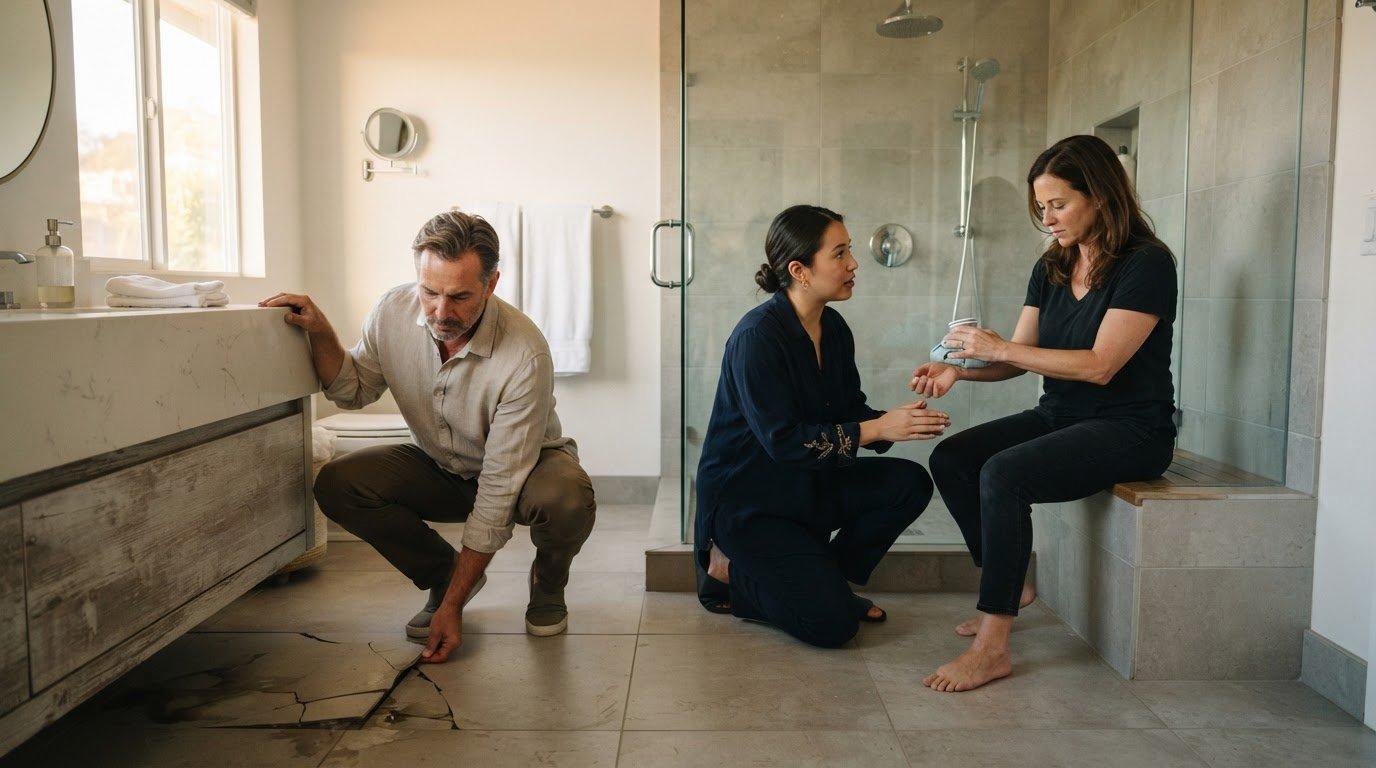
For many California vacation rental owners, $500,000 in liability coverage is a starting point, not the full protection to consider. Most carriers cap vacation-rental liability at that amount, while a commonly recommended next layer is at least $1 million in umbrella or excess liability coverage. California’s vacation rental insurance requirements are not the only factor in setting a suitable limit; the property, its use, and the potential scale of a claim also matter.
It’s understandable to assume a homeowners policy or a booking platform’s protections will cover the main risks. But building damage, furnishings, guest injuries, and liability may fall under different coverage terms, while platform protection generally applies only to bookings made through that platform.
This guide explains how building and contents coverage work together, where platform protections may leave gaps, and how liability limits and umbrella policies can shape your coverage plan. You’ll also learn why the right amount depends on more than the headline limit, helping you assess your rental’s protection more clearly.
Key Takeaways
- Separate protection for the structure, furnishings, and guest-related liability; a policy designed for ordinary home use may not address every rental exposure.
- Treat platform protections as limited to bookings made through that platform, not as a substitute for year-round coverage.
- Liability limits vary, and umbrella or excess coverage may provide an additional layer for larger claims.
- Review how your property is used and what a serious liability claim could involve when deciding whether your current limits are adequate.
Building and contents coverage
Separate the structure from the items guests use. Building coverage concerns the home itself, while contents coverage applies to furnishings, appliances, and household equipment. A damaged roof and a broken dining table, for example, involve different parts of an insurance policy. An inventory can help you identify what belongs to the property and what may need contents protection.
Business income coverage addresses a different loss: rental income interrupted when covered property damage makes the home unavailable. Imagine a kitchen fire that requires repairs before another booking can proceed. Property coverage concerns the physical damage; income coverage concerns eligible lost rental earnings during the interruption. The policy’s covered causes, limits, and calculation terms determine how this protection works.
Some policies may offer optional coverage for libel, slander, or wrongful eviction claims. These risks can arise from a dispute over a guest review, a public statement, or the end of a stay. Read the wording carefully: an endorsement may define which claims qualify and whether it includes defense costs. Treat this as a distinct liability consideration, not protection for damage to the building or its contents.
Car sharing creates another distinction. A vehicle rented through a peer-to-peer arrangement is separate from the vacation home, and coverage for that vehicle depends on the relevant policy terms. Don’t assume property insurance covers a guest’s or owner’s vehicle just because it is associated with a booking. Keep car-sharing arrangements separate from building and contents protection.
Personal auto insurance may include coverage that applies to a rental car. But extensions from an existing auto policy or credit card may not apply when the car is used for business. That distinction matters if a vehicle supports rental operations: personal and business use can lead to different coverage outcomes. Review the purpose of the trip and the policy terms before relying on personal auto coverage.
Airbnb and Vrbo protection limitations
California hosts should distinguish platform protection from insurance and consider risks such as guest injury, infestation, and unauthorized occupancy. The key question is whether the specific booking, claim, and event fall within the applicable policy terms.
Limits of Platform Protection
Airbnb and Vrbo platform protection applies only to bookings made through the respective platform. A reservation arranged directly with a guest falls outside that platform-booking boundary. This matters because the same property may have different protection arrangements across its bookings.
Platform protection shouldn’t be treated as a substitute for a landlord policy. Depending on its terms, landlord insurance may cover guest injury claims, lost belongings, or home damage caused by a tenant. Damage during an Airbnb stay and damage during a direct booking, for example, may involve different coverage routes. Both the booking channel and policy wording affect which protection may respond.
Exclusions and Host Risks
Exclusions are policy provisions that remove certain events, conduct, or losses from coverage. Coverage for intentional or careless conduct depends on the policy’s terms and the circumstances. For California hosts, this distinction matters when a claim involves deliberate damage or careless conduct rather than an accidental, covered event. The circumstances and policy definitions shape how the claim is treated.
Bed bugs and fleas can cause property damage, treatment expenses, and guest disputes. Coverage depends on the policy’s terms and exclusions, so don’t assume an infestation qualifies as a covered loss. A claim involving a guest’s belongings may also be treated differently from one involving treatment of the building.
Squatter concerns require separate attention. In California, a short-term rental guest who stays past 30 days may be able to assert tenant rights under the unlawful detainer process. That can make an extended, unauthorized stay different from an ordinary booking dispute. Keep booking records and communications organized, since the length and circumstances of occupancy matter when assessing the situation.
For Airbnb stays, direct reservations, and longer occupancy, the central distinction is between platform protection, landlord coverage, and policy exclusions. Those terms determine how a specific incident is handled.

Insurance considerations when renting a home or room short term
California hosts can compare policies by matching rental use against building, contents, income, and liability terms, then reviewing limits and exclusions. Homeowners or landlord policies may cover property damage and guest injuries, depending on their terms.
Comparing Rental and Homeowners Insurance
The key question is whether an insurance policy treats paid guest stays as covered use. A homeowners policy may be written for a different occupancy pattern than a short-term rental policy. That distinction matters if a claim arises during a guest’s stay. Compare the policy’s definitions, covered property, liability terms, and exclusions with how the home is actually rented, including whether guests book rooms or the entire property.
For example, damage to a guest room and an injury in a shared hallway raise different coverage questions. Rental use, occupancy arrangements, and the cause of damage all affect which terms apply. A policy’s label alone doesn’t explain what it covers.
Choosing and Buying Suitable Coverage
Compare policies by matching the rental’s use and risks to their written coverage, limits, and exclusions. Include local city and county ordinances in that assessment, since regulatory obligations and insurance protection serve different purposes. According to California Legislature, upon request by a local agency, each short-term rental facilitator shall report, in the form and manner prescribed by the local agency, the physical address, including nine-digit ZIP Code, of each short-term rental during the reporting period.
That reporting rule is not a coverage term. When evaluating options, consider the structure, furnishings, rental income, guest injury liability, and how often the property is rented. Occasional room rentals and regular whole-home bookings, for instance, are different patterns of use that should be accurately reflected in the insurance application and policy.
Property Damage and Guest Injury Coverage
Property protection and liability protection address different losses. A rental or landlord policy may cover damage to the home or belongings, or guest injury claims, subject to its terms. A damaged sofa is a contents issue; a guest’s injury may raise a liability claim. Homeowners coverage may also address belongings or damage, but the policy’s treatment of paid stays matters.
Review how each policy defines covered property and eligible claims. This helps identify whether a loss concerns the building, contents, or an injury, and which policy terms apply.
Liability limits and umbrella policies
Liability coverage addresses claims that a guest or another person brings against a rental owner. The appropriate limit depends on the policy’s scope and the potential severity of a claim.
Commercial Liability Limits
Commercial general liability coverage is designed for third-party injury and property damage claims tied to business operations. For a vacation rental, a guest injury in a shared stairway is one example of a claim to consider. Most carriers cap vacation-rental liability coverage at $500,000. That limit matters because a serious claim can exceed the primary policy’s available coverage, leaving the owner exposed above its limit.
Consider liability limits alongside the property’s amenities and guest activities. A pool, hot tub, or hosted event can create different circumstances from a simple overnight stay. Liquor liability is a separate concern if alcohol is served or supplied. The policy wording determines which claims are covered, what exclusions apply, and whether a separate endorsement is needed.
Pet and Animal Liability
Pet and animal liability concerns claims involving an animal injuring a guest or another person. A dog bite during a stay, for example, raises questions about the policy’s animal-related terms and exclusions. Consider how your rental rules address pets and how the insurance policy treats incidents involving animals.
A general liability limit alone doesn’t establish whether a specific animal-related claim qualifies for coverage. Policy language may distinguish between animal types, circumstances, and claims. This matters for rentals that allow pets or have resident animals on the property.
Umbrella Policy Protection
An umbrella or excess liability policy adds another layer above underlying liability coverage. A commonly recommended approach is adding at least $1 million in umbrella or excess coverage to vacation-rental insurance.
These figures show how coverage layers can increase available limits, not which amount fits every property. The underlying policy and umbrella terms must work together. When weighing added protection, assess the rental’s risks, including amenities, animal rules, and guest activities.
Allura Homes: Full-Service Vacation Rental Management
Allura Homes helps vacation rental owners manage the operational demands that accompany an insurance plan. Its Full-Service Vacation Rental Management supports owners running guest-ready rentals, while Market Analysis and Revenue Projections can inform investment decisions. Multi-Channel Listing Optimization helps properties reach travelers across listing channels, and STR Compliance and Permitting Services support rental compliance and permitting.
This support is relevant when a property’s rental strategy, listing operations, and local compliance requirements need coordinated attention. Insurance decisions remain specific to the property and policy, but organized rental operations can help owners manage the broader responsibilities of hosting.
For support with your vacation rental, contact Allura Homes.
Make your next hosting decision with clarity
Make your insurance review part of a broader decision about how you want to operate the rental. When bookings, amenities, or occupancy patterns change, revisit whether the policy still reflects the property’s actual use. Keeping a clear record of those decisions can focus coverage discussions and make future planning more deliberate.
California’s vacation rental insurance requirements and your property’s coverage needs are related, but they’re not the same question. Build your next steps around both: understand the applicable local obligations, then assess how the policy responds to your rental’s specific risks. This approach helps you manage the property carefully while keeping its operational goals in view.
If you’re considering how to manage your rental alongside these decisions, start a conversation with Allura Homes. A thoughtful plan can help you move forward with greater confidence.
Frequently Asked Questions
What insurance does California require for vacation rental owners?
California’s vacation rental insurance requirements don’t establish one universal insurance package for every property. Coverage needs depend on the home, how it’s rented, and applicable local rules. Keep insurance separate from permit or registration obligations: a permit doesn’t explain what property damage or guest injury a policy covers. Consider the building, furnishings, rental income, and liability risks when assessing protection.
Do California cities or counties require short-term rental liability insurance?
Local short-term rental rules can differ, so a statewide answer may not resolve a host’s obligations in a specific city or county. A property in San Diego, for example, may face different local requirements from one in Napa or Sonoma. Treat permitting and insurance as separate considerations, and account for the property’s jurisdiction when reviewing its rental setup and coverage.
What minimum liability coverage is required for California vacation rentals?
California’s vacation rental insurance requirements don’t establish a single statewide minimum liability limit for every rental. The $500,000 figure discussed in this article is a reported carrier cap for vacation-rental liability coverage, not a legal minimum. Owners should distinguish policy limits from legal requirements and consider whether the primary limit and any umbrella coverage suit the property’s risk profile and guest activities.
Does California homeowners insurance cover short-term vacation rentals?
It can, but coverage depends on the policy and how the home is used. A homeowners policy written for owner occupancy may not address every risk from paid guest stays. Damage to furnishings and a guest injury, for example, raise different coverage questions. The policy’s definitions, exclusions, and treatment of rental activity determine how a claim may be handled.
How much does vacation rental insurance cost in California?
The actual premium depends on the property and the protection selected, including coverage limits and insured risks. When assessing cost, compare the scope of coverage as well as the premium, since policies can differ in what they protect and exclude.
Related Articles
Continue reading about this topic.

Need Help Managing Your Rental?
Our team has 13+ years of experience improving revenue for California vacation rental owners.