How to check San Diego County STR permit rules
 allurahomesNovember 27, 202612 min read
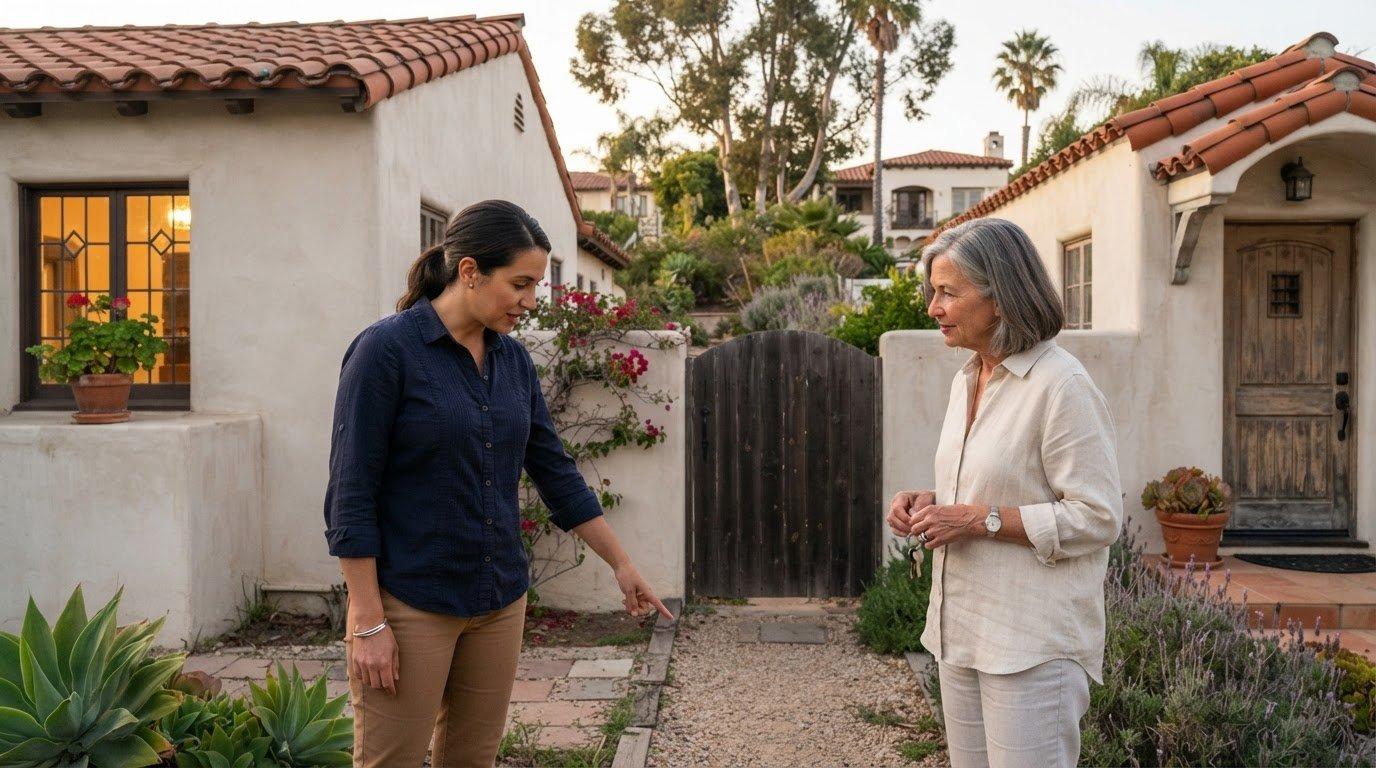
Short-term rentals are allowed in the City of San Diego with the required STRO license. For stays of less than one month, San Diego County STR permit assistance starts with identifying the property’s jurisdiction and the licensing rules that apply.
That distinction matters: a county address alone does not determine which permitting rules govern a property. Before planning a listing, owners need to understand the applicable license, residency and rental-day conditions, and any ongoing operating or reporting duties.
This guide explains how to determine whether a short-term rental is permitted, which local rules to consider, and what licensing, tax, operating and reporting requirements may apply. It also explains how professional permitting support can help coordinate the process, so you can better understand your obligations before moving forward.
Key Takeaways
- Start by identifying the property’s jurisdiction, since county boundaries don’t determine which city or community rules apply.
- Match the property’s use and your residency status to the relevant STRO tier before planning a short-term rental.
- Build license conditions, tax obligations, guest operations, and reporting into the rental plan from the outset.
- Professional permitting support can help coordinate compliance requirements with the property’s broader vacation-rental management needs.
Does San Diego allow short-term rentals?
Yes, short-term rentals are allowed in the City of San Diego with the required STRO license. Across the county, first identify the property’s jurisdiction, then confirm its local rules. City of San Diego restrictions include limits on certain properties.
-
Have a professional check community rental allowances
Start by identifying the property’s jurisdiction and checking the rules that apply to that address. Countywide, one answer cannot establish whether every community allows a rental; the City of San Diego has its own STRO licensing system. In that city, short-term rentals in accessory dwelling units are prohibited, except companion units permitted before October 15, 2017. Confirm this property-specific restriction before preparing an application.
-
Have a professional confirm application prerequisites and owner authorization
Next, have a professional establish the proposed rental’s license tier and secure the owner’s authorization for application work. Prepare a deed or tax bill, government photo ID, and proof of primary residence for Tier 1 or Tier 2 applications. The professional can organize these documents against the application requirements and identify missing items before submission. For Tier 3 and Tier 4, the City of San Diego requires use for at least 90 days per year during the license term. The City of San Diego limits Tier 3 licenses to 1% of total housing units outside the Mission Beach Community Planning Area.
-
Have a professional manage the permit application process
Then coordinate the city portal application, tax accounts, fees, and any lottery timing. Applicants provide Transient Occupancy Tax certificate numbers and Rental Unit Business Tax account numbers; City of San Diego property owners renting all or part of a property for more than 6 days in a calendar year are responsible for remitting Rental Unit Business Tax. The City of San Diego lists a transient occupancy tax rate of 11.75 to 13.75 percent. Current application fees depend on the tier: effective March 1, 2025, Tier 1 costs $33 to apply and $193 for the license; Tier 2 costs $33 and $284; Tier 3 costs $41 and $1,129. A professional can prepare the submission for the city’s lottery process and schedule it several weeks before the intended listing start. Treat any lottery notice as time-sensitive, and wait for the license number before listing.
Tier-specific primary-residence and rental-day rules
Match the property’s use and your residency pattern to its STRO tier before setting rental dates. Occupancy, parking, noise, and minimum-stay conditions depend on the applicable rules; the City of San Diego requires Tier 3 and Tier 4 guests to stay at least two nights.
- Have a professional align the proposed term rental with your home-sharing or whole-home plan. Tier 1 covers hosted home-sharing, where the host lives in the home and stays present during guest occupancy; its license covers rentals for 20 days or less per year. Tier 2 applies to a whole-home rental of the host’s primary residence while away. For room rentals beyond 20 days per year, the host must reside onsite.
- Map your planned rental calendar against the Tier 2 residency limits. A Tier 2 host must live in the home at least 275 days a year, and may rent the entire home for no more than 90 days. The host may be absent from their permanent residence for up to 90 days per calendar year during whole-home STRO. Tiers 3 and 4 serve Mission Beach rentals under tighter conditions, including use for at least 90 days per year during the license term.
- Keep operating rules and tax handling distinct. San Diego hosts must collect Transient Occupancy Tax and remit it to the City Treasurer unless a platform does so on their behalf. Rental Unit Business Tax is a separate obligation. For noise, violations can result in citations of up to $1,000 for hosts and guests. Have the operating plan address guest occupancy and parking under the applicable local rules, rather than assuming one municipal code standard applies countywide.
- Separate short-term rental compliance from public rental assistance. San Diego was estimated to have 12,300 short-term rentals. The Housing Authority of the County of San Diego offers rental assistance and support services, including assistance for homeless veterans through VASH and other programs. These programs address housing needs, not STRO permits. For ongoing property operations, full-service vacation rental management can connect compliance with day-to-day rental oversight.

Host operating and reporting requirements
A San Diego STRO license expires two years after issuance and requires annual renewal. Do not assume the license automatically transfers when a property is sold. Address permitting separately as part of an ownership transition.
- Set a clear local-contact procedure before welcoming guests. San Diego STRO hosts must respond to complaints in person or by phone within one hour. Make the contact details and process accessible to guests, and ensure the responsible person can act promptly if a neighbor raises an issue.
- Build reporting dates into the operating calendar for Tier 3 and Tier 4 licenses. These hosts submit quarterly reports: Q1, covering January 1 through March 31, is due April 30; Q2, covering April 1 through June 30, is due July 31. Q3, covering July 1 through September 30, is due October 31; Q4, covering October 1 through December 31, is due January 31. Tier 1 and Tier 2 hosts aren’t required to submit these reports.
- Keep guest conduct and neighbor communication within the City of San Diego STRO ordinance. Section 510.0107 sets out host requirements, while enforcement includes complaint responses and listing audits. Set house rules that address noise and respectful use of the property, then give guests a clear way to reach the local contact. Noise-rule violations can result in citations of up to $1,000 for hosts and guests.
- Handle required signage as part of the property’s permit conditions. If the applicable City notice calls for posted information, display it as directed and keep it consistent with the license. A sign doesn’t replace the host’s complaint-response duty or reporting schedule. Keep license records and operating details aligned, especially for Mission Beach Tier 3 and Tier 4 rentals, where quarterly reporting applies.
What permits and licenses are required for short-term rentals in San Diego County?
- Start by identifying the property’s jurisdiction. In the City of San Diego, a stay of less than one month requires a Short-Term Residential Occupancy license. Countywide, permit requirements depend on local jurisdiction, so a property outside the city may follow a different process. For a property within the city, determine the correct STRO tier before preparing the application. A host may hold only one license at a time.
- Organize the license term and renewal dates. City of San Diego STRO licenses expire two years after issuance and require annual renewal under the ordinance. Track both requirements in the property’s compliance calendar, and distinguish renewal planning from a new application. A license number is required before listing a short-term rental in San Diego.
- Prepare the tax registrations alongside the permit application. City applicants provide a Transient Occupancy Tax certificate number and a Rental Unit Business Tax account number. The application is submitted through the city’s online permit portal. Supporting documents may include a deed or tax bill and government photo ID; Tier 1 and Tier 2 applicants also prepare proof of primary residence. Matching the documents to the selected tier helps keep the submission complete.
- Allow for any additional application steps. An inspection or self-certification may be part of the process, so include that requirement in the application plan. Tier 3 and Tier 4 licenses also carry quarterly reporting duties, while Tier 1 and Tier 2 hosts aren’t required to submit those reports. Keep the license, tax accounts, and operating records together. Get support coordinating STR permit requirements with ongoing rental operations.
Outside the City of San Diego, permitting depends on the property’s local jurisdiction and may follow a different process. The City’s STRO licensing steps apply to properties within city limits.
Allura Homes: STR Compliance and Permitting Services
Allura Homes provides STR Compliance and Permitting Services to help owners coordinate local requirements with their rental plans. This support is useful when jurisdiction, license tier, tax accounts or reporting duties make permitting difficult to manage alongside daily operations.
Allura Homes can help organize compliance and permitting, then connect that work with Full-Service Vacation Rental Management when ongoing oversight is needed. Owners planning their investment strategy can also use Market Analysis and Revenue Projections, while Multi-Channel Listing Optimization supports listing reach once the property is ready to operate. Each service addresses a different stage, from permit planning to rental operations, while owners remain responsible for meeting the rules that apply to their property.
Contact Allura Homes to discuss STR compliance and permitting support for your property.
Turn permit planning into a considered rental strategy
Once the regulatory path is clear, consider how the property will operate as a business. Aligning compliance with investment planning and guest acquisition connects operational choices to the rental strategy, rather than treating permitting as a standalone task.
Allura Homes combines STR Compliance and Permitting Services with Full-Service Vacation Rental Management. Owners can also use Market Analysis and Revenue Projections to inform investment decisions, and Multi-Channel Listing Optimization to support listing reach. San Diego County STR permit assistance can form part of a broader plan, from understanding property obligations to preparing for ongoing operations.
For owners ready to discuss a practical next step, contact Allura Homes for permit assistance. A thoughtful plan can help you move forward with greater clarity and confidence.
Frequently Asked Questions
Can I rent out an Accessory Dwelling Unit as a short-term rental?
In the City of San Diego, short-term rentals in ADUs are prohibited, except companion units permitted before October 15, 2017. That exception is specific to qualifying companion units, not a general allowance for every ADU. Elsewhere in San Diego County, the rule depends on the local jurisdiction. Confirm which jurisdiction governs the address before treating an accessory unit as eligible for short-term occupancy.
Is Airbnb legal in San Diego?
An Airbnb listing does not replace local permission to operate. In the City of San Diego, a short-term stay of less than one month requires an STRO license, whether guests book through Airbnb or another channel. A platform may collect occupancy tax on a host’s behalf for eligible stays, but that does not meet the separate licensing requirement.
What should I do if I can’t get an STRO license for my San Diego home?
Don’t list the home for short-term stays without the required license. Review whether another STRO tier fits the property and your residence pattern; Tier 2 applications may involve a waiting list or lottery when its cap is full. Lottery results cannot be appealed. As of November 20, 2026, no Tier 4 licenses remained available, so owners should plan around the property’s eligibility and current licensing pathway.
How can a professional handle a San Diego County short-term rental permit application step by step?
For San Diego County STR permit assistance, the process can begin by identifying the property’s jurisdiction and intended rental use, then matching those details to the applicable license tier. The next steps include coordinating owner authorization, organizing supporting records and tax-account details, and preparing the submission. Allura Homes provides STR Compliance and Permitting Services to help owners manage local requirements and ongoing compliance in San Diego.
What are the San Diego County STR permit fees, renewal costs, and processing times?
Licenses require annual renewal and expire two years after issuance. Applicants are advised to apply several weeks before listing; processing duration and renewal charges depend on the applicable requirements.
What documents and property details are needed for an STR permit application?
Prepare the property’s deed or tax bill, government photo ID, and the relevant Transient Occupancy Tax certificate and Rental Unit Business Tax account numbers. Tier 1 and Tier 2 applicants also provide proof of primary residence. The City of San Diego considers only one completed, accurate application per dwelling unit, regardless of tier, so the submitted property and applicant details need to align.
Related Articles
Continue reading about this topic.

Need Help Managing Your Rental?
Our team has 13+ years of experience improving revenue for California vacation rental owners.