Reducing Vacation Rental Owner Liability Through Safer Hosting
 allurahomesNovember 26, 202612 min read
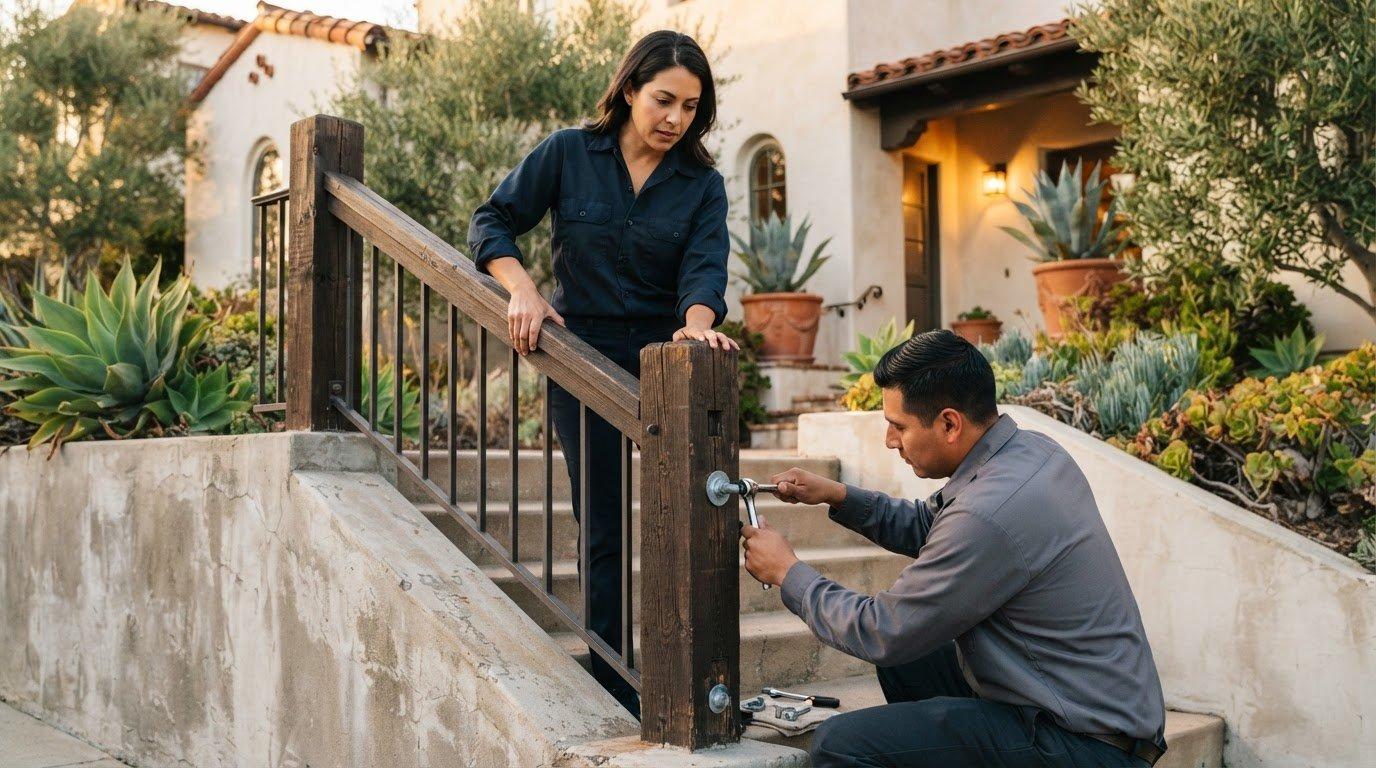
A loose railing or undisclosed rental use can turn an ordinary stay into a liability concern. Reducing vacation rental owner liability means addressing both sides of the risk: keeping the property safe and securing insurance suited to paid guest stays. A typical homeowners policy may not cover short-term rental claims. The Insurance Information Institute says owners who regularly rent out a second home may need separate business coverage or a landlord policy.
Insurance alone may not protect you from every claim. Responsibility can also depend on who controls maintenance, guest rules, and day-to-day decisions. This article explains how liability may be shared, why known or overlooked property defects matter when a guest is injured, and how clear rental rules and documented upkeep can help reduce risk. It also explains how insurance, management responsibilities, and local compliance fit into a careful hosting approach.
Key Takeaways
- Liability can depend on who controls guest-facing decisions and property operations, not ownership alone.
- Written safety instructions and records of inspections, repairs, and maintenance can help clarify how hazards were handled.
- Clear occupancy, vehicle, and property-use limits set expectations and help prevent avoidable conflicts during a stay.
- Thoughtful management can connect safer property operations with compliance, guest rules, and a more deliberate rental strategy.
Who Is Liable In Short-Term Rental Management?
Liability may depend on operational control, decisions, and business structure, not ownership alone. Reducing vacation rental owner liability starts with making sure your insurance reflects the property’s use for paid rentals.
Homeowners Policy Exclusions
A homeowners insurance policy may exclude paid vacation rentals because insurers can treat renting as a business activity. That distinction matters if a guest injury or property-damage claim arises. According to the Internal Revenue Service, for U.S. federal tax purposes, a dwelling unit is generally used as a residence if personal use exceeds the greater of 14 days or 10 % of the days it is rented to others at a fair rental price. If used as a residence and rented for fewer than 15 days, rental income does not have to be reported and rental expenses cannot be deducted as rental expenses, according to the Internal Revenue Service. Internal Revenue Service Publication 527 provides information about residential rentals, including vacation homes.
Limits of Liability and Platform Protection
Personal liability and umbrella insurance generally don’t cover rental-related business claims, so owners may need separate coverage. The Insurance Information Institute says owners who regularly rent a second home may need business coverage or a landlord policy. Platform protections also have limits. Airbnb and Vrbo’s automatic liability insurance excludes injuries involving assault or battery by the host or another insured, watercraft, and bacteria, fungi, or pollution. Review policy terms, exclusions, and reporting requirements instead of relying on a platform’s headline protection.
Coverage Needs and Insurance Costs
For guest injuries and property damage, owners should carry coverage designed for paid rental activity, including liability and property protection. Review exclusions for injuries, damage, lost income, and pet-related incidents. Vacation rental insurance is usually more expensive than primary homeowners insurance because rental homes may be vacant more often and face a higher likelihood of claims. Costs depend on the deductible, replacement cost, location, amenities, and selected coverage limits. Reducing vacation rental owner liability also means understanding what each policy actually covers.
Business Entities and Personal Liability
An LLC or other business entity doesn’t automatically remove an owner’s personal liability. Responsibility can still depend on operational control, decisions, and business structure. For example, assigning maintenance to a manager doesn’t by itself establish who controlled a hazard or whether it was addressed. Clear agreements and suitable insurance address different risks. Treating an entity as one part of reducing vacation rental owner liability, rather than a substitute for safe operations, keeps expectations grounded.
Host premises liability for guest injuries
A host may face a claim if an unsafe condition causes a guest’s injury. Inspections, clear instructions, and a documented response help show how hazards were handled.
Preventing Guest Injuries
Prevent injuries by identifying hazards and addressing them before guests enter the property. A host may be negligent for failing to inspect, fix, or warn about a known danger. Check floors, railings, decks, detectors, and fire hazards before each stay to reduce slip-and-fall and other risks. Give guests written safety instructions, emergency contacts, and clear check-in procedures. Pair routine checks with timely repairs and records showing when each issue was handled.
Guest Rules and Rental Terms
Guest rules and rental terms explain how visitors may use the property and what the stay includes. A written agreement should set out house rules and payment terms, while the listing should communicate the same expectations. Specify restrictions on smoking, noise, unauthorized guests, and property use, and state any penalties for violations. Include safety instructions and check-in and check-out procedures so guests know how to use the rental responsibly. Clear, consistent terms help prevent disputes about what guests agreed to follow.
Guest Damage and Claims
Guest-caused damage or theft can affect repair costs, future bookings, and rental income, so document the property’s condition before and after each stay. If damage or an injury is reported, record when and where it happened, preserve relevant messages, and photograph the condition or hazard when safe. Notify the relevant insurer and booking platform promptly, following their reporting requirements. For an injury, prioritize the guest’s immediate safety and keep a factual record of communications. Avoid speculation about fault; a liability claim can turn on whether a host knew, or reasonably should have known, about a danger and failed to address it. A guest’s own actions may also affect recovery under comparative negligence principles. Well-coordinated guest and property operations can support consistent procedures across each stay.

Guest limits, vehicle limits, and property-use restrictions
Written occupancy, parking, and property-use terms clarify what a stay permits. They also give hosts a consistent basis for managing noise, shared spaces, and property concerns.
Set guest and vehicle limits in the listing and rental agreement, and make the rules clear before booking. Specify permitted parking areas, quiet hours, restrictions on parties, and shared-space use. For example, assigned parking instructions can help prevent blocked access and neighbor disputes. HOA deeds and covenants may prohibit short-term rentals even where local government allows them. Owners in San Diego, Temecula, Palm Springs, Napa, and Sonoma should account for the rules that apply to their specific property, since jurisdictions may regulate or restrict short-term rentals differently.
Local requirements can affect whether a property may operate and whether permits, inspections, or safety measures apply. Some jurisdictions prohibit short-term rentals or require licensing and inspections, including fire-code checks. A rental agreement should describe permitted uses, such as whether guests may host gatherings or access owner storage. These terms set expectations, but they don’t replace compliance with applicable local rules or establish that every activity is permitted.
Personal use can also affect federal tax treatment. According to the Internal Revenue Service, a dwelling is generally used as a residence when personal use exceeds the greater of 14 days or 10% of the days it is rented to others at a fair rental price. Keep a calendar that distinguishes personal stays from rental days. Rental losses have separate tax limits: the Internal Revenue Service says U.S. rental losses may generally be limited by the at-risk rules and/or passive activity loss rules discussed in Publication 925, Passive Activity and At-Risk Rules. Those tax rules concern loss treatment, not guest occupancy or insurance coverage.
Owners’ responsibility for property defects and maintenance
For a term vacation rental, property owners must take defects seriously because an overlooked hazard can lead to guest injuries and liability claims. The key issue is often whether the owner knew, or reasonably should have known, about a defect and failed to fix it or warn guests. A worn deck board, loose stair railing, or faulty smoke detector can turn routine upkeep into a significant safety concern.
Build maintenance around a written schedule, not memory. Before each booking, document checks of detectors, railings, decks, floors, appliances, and visible fire risks. Record the date, finding, repair, and person responsible. If a cleaner reports a loose handrail, for example, log the report and restrict access until it’s repaired. Inspection logs and maintenance records can help show how the owner responded and which tasks fell within a manager’s control.
Water damage shows why prompt attention matters. Check for leaks beneath appliances, around sinks, and near water heaters to catch warning signs before the next guest arrives. Keep repair invoices and communications with maintenance vendors alongside inspection records. A consistent file links a reported issue to the action taken, rather than leaving gaps between bookings.
Define operational responsibilities in the written management agreement. Specify who schedules inspections, approves repairs, selects vendors, responds to guest reports, and monitors relevant regulations. Owners and managers should also understand how insurance applies to guest injuries, property damage, and repair-related losses. Policy exclusions may matter if rental use or a known defect wasn’t disclosed. A clear agreement won’t erase a party’s own negligence, but it can clarify assigned tasks and reporting paths.
For owners seeking consistent oversight of inspections, repairs, and guest operations, explore full-service vacation rental management as a way to coordinate property care across bookings.
Allura Homes: Full-Service Vacation Rental Management
Allura Homes provides full-service vacation rental management for owners who want coordinated oversight of their rental operations. The service brings together guest relations, cleaning coordination, maintenance, listing optimization, market analysis, and compliance support. Owners should still pay attention to their insurance coverage and legal responsibilities.
For owners evaluating a property or refining its rental strategy, Allura Homes’ market analysis and revenue projections can inform investment decisions. Multi-channel listing optimization helps position a property across booking platforms, while STR compliance and permitting services support owners navigating local requirements. These services complement careful maintenance records, clear guest terms, and suitable insurance; they don’t replace an owner’s policy or legal advice.
If you’d like support managing your vacation rental, contact Allura Homes to discuss your needs.
Make Safer Hosting Part of Your Next Decision
Use your next booking cycle to make safer hosting an ongoing priority, not a one-time review. As your property, guest profile, or rental approach changes, revisit whether your procedures still match how the home is being used. A new amenity, for example, can bring different maintenance and guest-instruction needs.
Reducing vacation rental owner liability means matching sound property decisions with the realities of hosting. Keep responsibilities clear among everyone involved, and update procedures when the operation changes. Consistent attention can help you manage the rental more clearly while supporting a considered investment strategy.
Allura Homes can help owners bring rental operations and investment planning into sharper focus. Contact Allura Homes to discuss your rental and identify a suitable next step for your property.
Frequently Asked Questions
Is this different from Homeowners or Landlord insurance?
Yes. Homeowners insurance is designed primarily for personal residential use, while landlord policies address rental activity. A short-term stay can involve guest injuries, property damage, and booking interruptions, so the policy type alone doesn’t establish which risks are covered. Review the declarations and endorsements for language about paid guest stays, liability, property, and lost income. The key is whether the policy reflects how the home is actually used.
Who Can Be Held Liable?
Potential responsibility may fall on an owner, manager, or another party, depending on control and the circumstances. For example, a host may face a claim over a hazard inside the rental, while a building association or management company may be responsible for a shared lobby or walkway. Records showing who made maintenance decisions and handled reports can help clarify each party’s role.
Does homeowners insurance cover short-term vacation rentals, or is a separate policy required?
A standard homeowners policy may exclude claims connected to paid vacation rentals, so it may not be enough for a property accepting bookings. Some insurers offer a short-term rental endorsement, while owners who rent regularly may need a landlord or business policy. Disclose the rental use in writing and make sure the policy addresses guest stays, rather than assuming ordinary personal coverage applies.
What are the typical costs and coverage limits for vacation rental liability insurance in the US?
Premiums and liability limits depend on the home, its location, amenities, replacement cost, deductible, and selected coverage. A property with different features or exposure may have a different premium and suitable limit. Compare covered risks and exclusions alongside the policy limit and deductible, including how the policy treats guest injury, property damage, and rental income. The right structure reflects the property’s use and the owner’s risk tolerance.
What safety devices and inspections are recommended or required for vacation rentals?
Inspect detectors, railings, decks, floors, appliances, and visible fire hazards, then document findings and repairs. Local rules determine whether a rental needs a safety inspection or specific measures, so requirements vary by jurisdiction. Owners in San Diego, Temecula, Palm Springs, Napa, and Sonoma should account for the rules that apply to their property’s location. A device checklist helps track condition, but it doesn’t replace required inspections.
What legal duties do vacation rental owners owe guests under US premises liability law?
Generally, a host may face liability when a known or reasonably discoverable hazard is left uncorrected, or guests aren’t warned, and that failure causes injury. The details depend on the circumstances and applicable state law. For instance, a loose step reported before arrival creates a different record from an unexpected defect. A guest’s own conduct may also affect a claim under comparative negligence rules.
Related Articles
Continue reading about this topic.

Need Help Managing Your Rental?
Our team has 13+ years of experience improving revenue for California vacation rental owners.